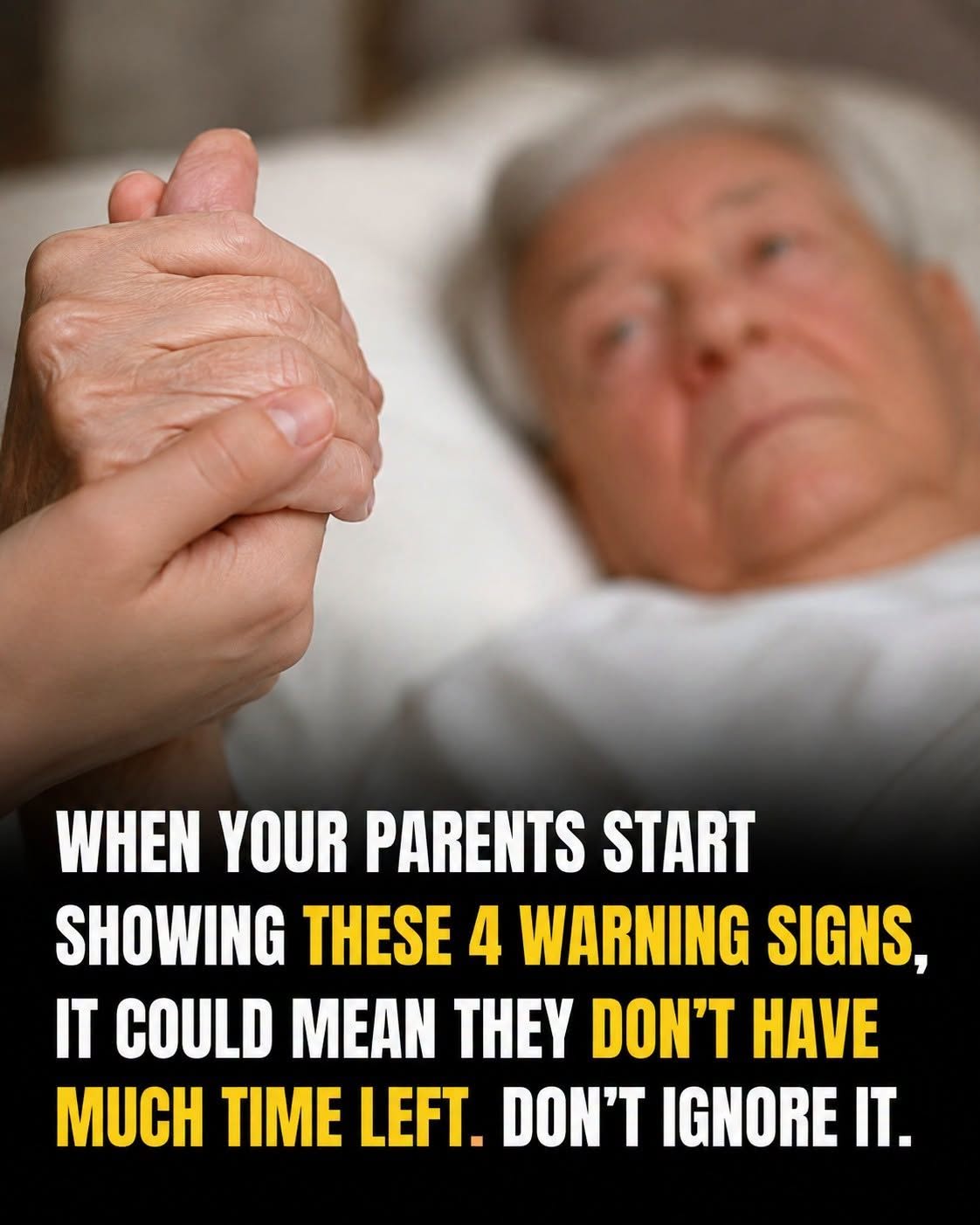
Watching a parent age and decline is one of the hardest experiences many people go through. Online posts often frame this topic in alarming, vague terms — but the reality is that hospice and palliative care professionals have identified real, well-documented signs that can indicate someone is approaching the end of life. Knowing them isn’t about fear; it’s about being present, prepared, and able to ask the right questions to their care team.
This isn’t a diagnostic tool, and every person’s situation is different. But understanding these patterns can help you respond with more clarity and less panic if you start to notice them.
1. Decreased Appetite and Thirst
As the body’s systems slow down, the need for food and water naturally decreases. This can be one of the hardest signs for families to accept, especially because our instinct is to encourage eating and drinking as a sign of care.
What it often looks like:
Eating much smaller portions, or refusing food altogether
Losing interest in favorite foods
Difficulty swallowing
What it usually means: The body is conserving energy and is no longer processing food the way it used to. Forcing food or fluids at this stage can sometimes cause more discomfort than relief — this is worth discussing directly with a hospice nurse or doctor rather than assuming what’s “right.”
2. Increased Sleep and Withdrawal
A gradual increase in sleep, along with withdrawing from conversation or activities they used to enjoy, is one of the most common and consistent signs recognized in end-of-life care.
What it often looks like:
Sleeping most of the day
Reduced interest in visitors, TV, or conversation
Speaking less, or seeming distant even when awake
What it usually means: This is generally understood as part of the body and mind’s natural process of conserving energy and gradually disengaging. It isn’t necessarily distressing for the person, even if it’s hard to witness.
3. Changes in Breathing Patterns
Breathing often changes noticeably in the final weeks, days, or hours of life.
What it often looks like:
Periods of shallow breathing followed by pauses (sometimes called Cheyne-Stokes breathing)
A rattling or gurgling sound, sometimes referred to as a “death rattle,” caused by fluid at the back of the throat
Irregular or labored breathing
What it usually means: These changes are common and typically not distressing to the person experiencing them, even though they can be difficult for family members to hear. Hospice teams can offer guidance and, when appropriate, medication to ease any discomfort.
4. Confusion, Reduced Responsiveness, or Circulation Changes
This category covers several related signs that often appear together as the body’s systems begin to slow:
Confusion or disorientation about time, place, or people, sometimes with periods of unusual alertness or lucidity
Reduced responsiveness, including longer periods of not waking or responding to voice
Changes in skin color and temperature — hands, feet, or legs may become cool, pale, or mottled (a blotchy, purplish discoloration) as circulation shifts toward vital organs
What it usually means: These are recognized physiological signs that the body is prioritizing essential functions. They’re part of a natural process rather than a medical emergency requiring intervention in most end-of-life contexts — though it’s still important to keep the care team informed.
What to Actually Do With This Information
Talk to their doctor or hospice team. If your parent is under medical or hospice care, these teams are trained specifically to help families understand what’s happening and what to expect. Don’t hesitate to ask direct questions.
Focus on comfort, not correction. At this stage, presence, gentle touch, and a calm voice often matter more than trying to change what’s happening.
Take care of yourself too. Caregiving through this process is emotionally exhausting. Reaching out to a counselor, support group, or hospice social worker isn’t a sign of weakness — it’s part of getting through it.
Don’t assume every sign means the same timeline. These changes can unfold over weeks or, in some cases, resolve temporarily. A conversation with a healthcare provider is far more reliable than any general list.
A Gentle Note
If you’re reading this because you’re currently watching a parent go through some of these changes, it’s okay to feel scared, sad, or unprepared — most people do. You don’t have to carry this alone. Hospice teams, palliative care doctors, and grief counselors exist specifically to support families through exactly this kind of moment, and reaching out to them is one of the most caring things you can do, both for your parent and for yourself.