Cancer is often easiest to treat when it’s caught early — but early symptoms can be subtle, easy to explain away, or mistaken for something else entirely. Here are six signs doctors commonly point to as worth getting checked out, along with what’s actually going on behind each one.
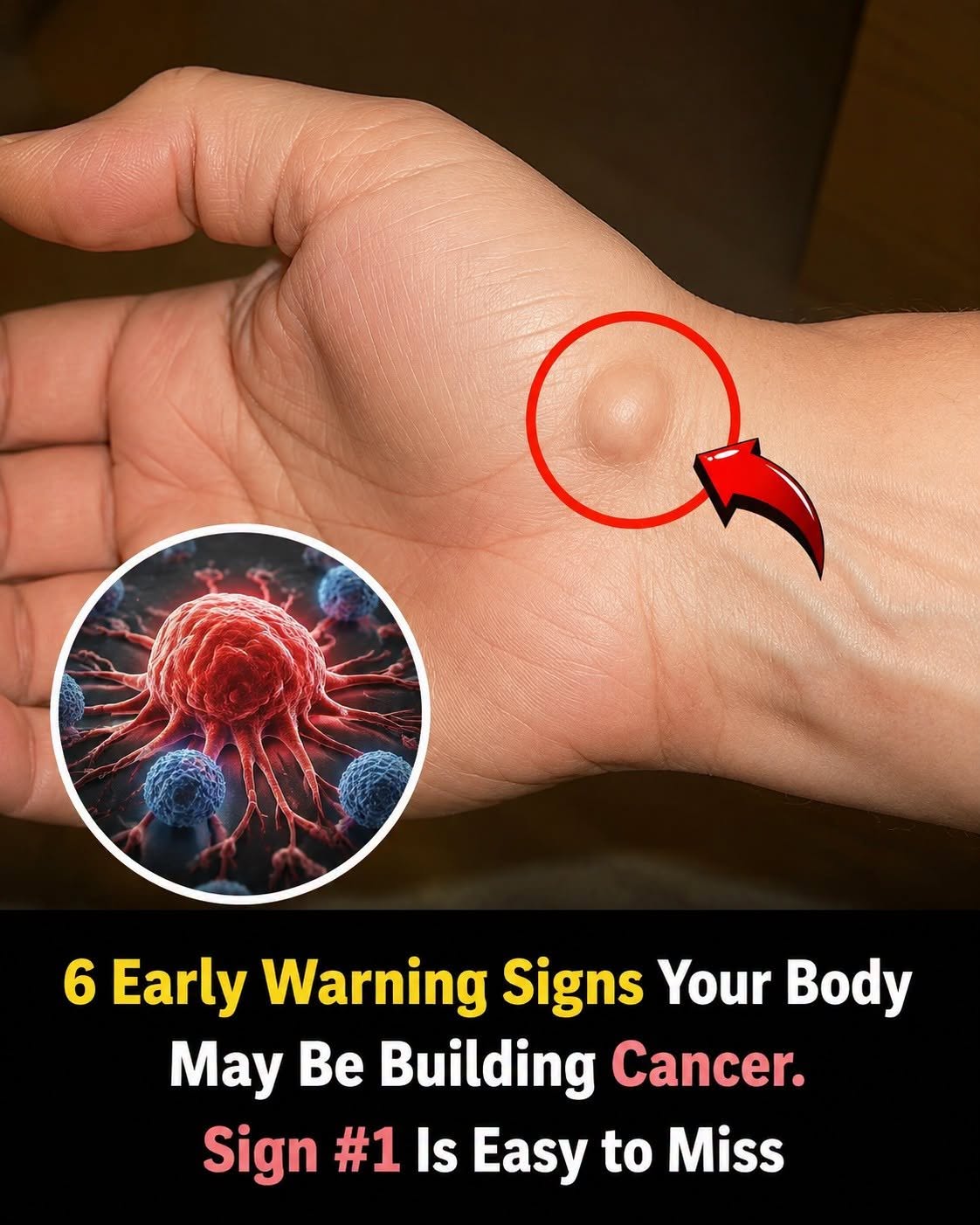
1. A New Lump or Swelling That Doesn’t Go Away
A lump under the skin — whether on the wrist, neck, breast, testicle, or anywhere else — is one of the more commonly cited warning signs. It’s worth saying clearly: most lumps are not cancer. Cysts, swollen lymph nodes from an infection, lipomas, and ganglion cysts (a very common, harmless fluid-filled bump often found on the wrist or hand) are all far more likely explanations. The key detail isn’t the lump itself, but whether it’s new, growing, hard, or sticking around longer than a couple of weeks. That’s the point to get it looked at by a doctor.
2. Unexplained Weight Loss
Losing weight without changing your diet or exercise habits — especially more than 10 pounds over a few months — can be an early sign of several cancers, particularly ones affecting the pancreas, stomach, esophagus, or lungs. It’s also a symptom of many non-cancerous conditions (thyroid issues, stress, depression), so it’s not a red flag on its own, but it’s one doctors take seriously when it happens without explanation.
3. Persistent Fatigue
Everyone gets tired. Cancer-related fatigue tends to feel different — it doesn’t improve with rest, and it can show up before other symptoms in cancers like leukemia or colon cancer, sometimes tied to internal blood loss you wouldn’t otherwise notice. Fatigue that’s severe, unrelenting, and unexplained by sleep or stress is worth mentioning to a doctor.
4. Changes in the Skin
This covers more than the classic “changing mole.” Doctors also watch for new dark patches, sores that won’t heal, unusual redness, or yellowing of the skin (jaundice), which can point to issues with the liver or pancreas. The ABCDE rule for moles is a useful shorthand: Asymmetry, irregular Border, multiple Colors, Diameter larger than a pencil eraser, and Evolving over time.
5. Persistent Cough or Hoarseness
A cough that lingers for more than three or four weeks — especially in someone who smokes or used to — is one of the more overlooked early signs of lung cancer. Ongoing hoarseness can also be an early symptom of thyroid or laryngeal cancer. Most persistent coughs turn out to be something far more mundane, like postnasal drip or acid reflux, but duration is the thing to watch.
6. Unusual Bleeding or Discharge
Blood in urine or stool, bleeding between periods or after menopause, or unexplained discharge are all symptoms doctors want to know about promptly, since they can be early indicators of cancers in the colon, bladder, cervix, or uterus. These symptoms have plenty of non-cancerous causes too — but because they’re often the first noticeable sign, they shouldn’t be brushed off.
The Bottom Line
None of these symptoms mean you have cancer. Almost all of them are far more commonly caused by something else entirely. What they have in common is that they’re all reasons to see a doctor rather than wait it out — early cancer detection is strongly linked to better outcomes, and a quick appointment is a small price for peace of mind either way.
This post is for general information only and isn’t a substitute for medical advice. If you’re noticing any of these symptoms, please talk to a healthcare provider.