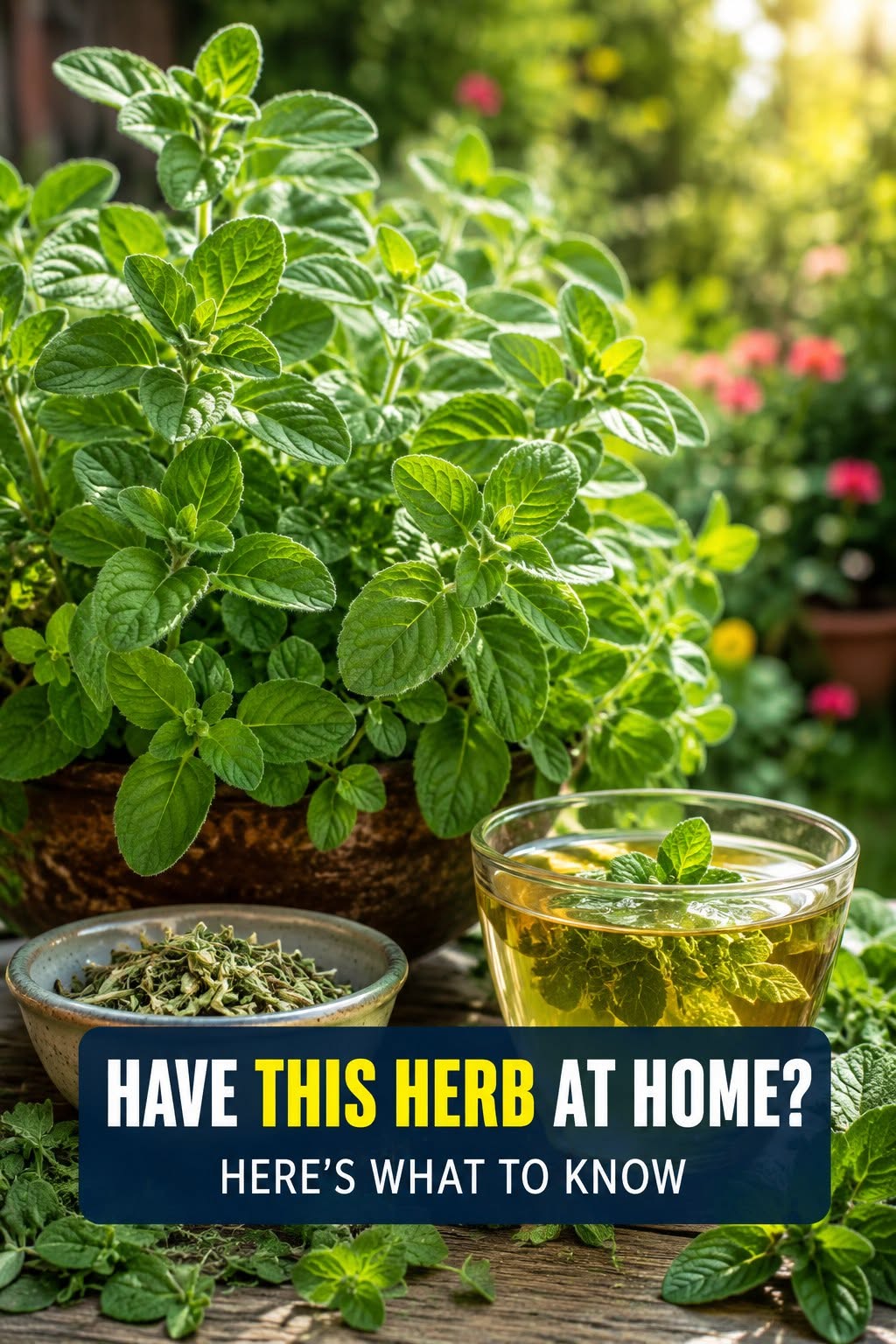
Many herbs that grow in gardens are also used in cooking, traditional food preparation, and homemade beverages.
Some are familiar ingredients that people have used for generations, while others may be less well known outside certain regions.
Before using any plant you find in your garden, however, it’s important to identify it correctly and understand how it is typically prepared.
A plant that looks similar to an edible herb may belong to a completely different species, so proper identification is always an important first step.
Why Are Garden Herbs So Popular?
Fresh herbs can add flavor, aroma, and color to everyday meals without requiring complicated recipes.
They are commonly used in:
Soups
Salads
Sauces
Herbal teas
Seasonings
Homemade drinks
Growing herbs at home can also be an enjoyable way to connect with gardening and experiment with fresh ingredients.
Common Ways People Use Fresh Herbs
Different herbs have different culinary uses.
Some are commonly added to salads, while others work better in cooked dishes. Certain herbs are also traditionally prepared as teas or infused into water.
The best way to use an herb depends on its species, flavor, and traditional culinary applications.
If you’re unfamiliar with a plant, research its identity before consuming it.
How to Identify a Garden Herb
Correct identification is especially important when collecting plants from your own garden or from the wild.
Look carefully at:
Leaf shape
Leaf texture
Stem structure
Flower color
Plant height
Aroma
Growing conditions
Using a reputable plant identification guide or consulting an experienced gardener can help reduce the risk of confusing one plant with another.
Never assume that a plant is edible simply because it resembles an herb you already know.
Fresh Herbs and Traditional Food Culture
Herbs have played an important role in food traditions around the world.
Different cultures have developed unique ways of using plants in everyday cooking. Some herbs are used fresh, while others are dried and stored for later use.
Traditional use can be interesting from a culinary and cultural perspective, but it should not automatically be interpreted as proof that a plant can treat or prevent a medical condition.
Food and medicine are not always interchangeable, and health claims about herbs should be evaluated carefully.
Can Herbs Replace Medical Treatment?
No single herb or homemade preparation should be presented as a replacement for professional medical care.
You may encounter online claims suggesting that certain plants can “detox” the body, cure diseases, or prevent serious illnesses.
These claims are often exaggerated and may not be supported by reliable scientific evidence.
If you have a medical condition or are experiencing persistent symptoms, it’s better to speak with a qualified healthcare professional rather than relying on an internet remedy.
Safety Matters
Even plants that are commonly consumed can cause problems for certain individuals.
Possible considerations include:
Allergies
Medication interactions
Pregnancy
Existing health conditions
Incorrect plant identification
Excessive consumption
If you’re considering using an unfamiliar herb regularly, especially for health purposes, consult a qualified healthcare professional.
How to Enjoy Herbs Safely
For culinary purposes, one of the simplest approaches is to use herbs in familiar recipes.
Try adding fresh herbs to:
Vegetable salads
Homemade soups
Grain dishes
Roasted vegetables
Simple sauces
Herbal beverages
Start with small amounts and pay attention to the flavor.
Cooking with herbs can be a simple way to add variety to your meals without relying on exaggerated health claims.
The Importance of Reliable Information
Social media can make almost any plant appear to have extraordinary properties.
A viral image or video may claim that a common herb can cure a disease, reverse aging, or replace medication.
These claims should be treated with caution.
When researching herbs and nutrition, look for information from reputable health organizations, qualified professionals, and reliable scientific sources.
Avoid making health decisions based solely on sensational headlines or anonymous online testimonials.
Final Thoughts
A common herb growing in your garden can be an interesting ingredient to explore, but the first step is always proper identification.
Once you know what the plant is, you can learn how it is traditionally used in cooking and whether there are any relevant safety considerations.
Rather than believing dramatic claims about miracle plants or dangerous foods, focus on reliable information and practical uses.
Fresh herbs can be a flavorful part of a balanced diet, and gardening can be an enjoyable hobby—but serious health concerns should always be discussed with an appropriate healthcare professional.
Health & Nutrition Disclaimer: This article is for general informational purposes only and is not intended to diagnose, treat, cure, or prevent any disease or medical condition. Always correctly identify plants before consuming them. If you have questions about an herb, medication interactions, or your individual health needs, consult a qualified healthcare professional