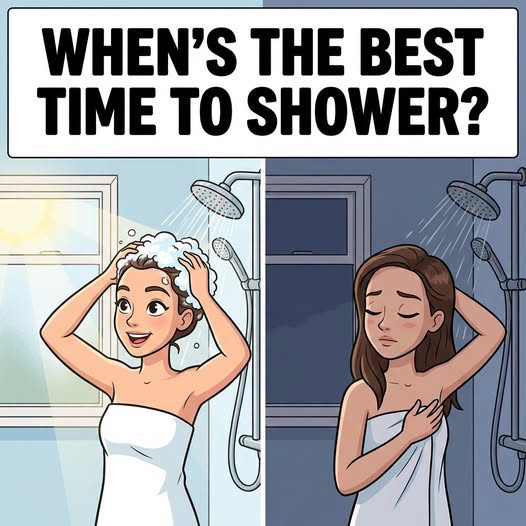
When it comes to the daily ritual of showering, there’s often a debate: Is it better to shower in the morning or the evening?
The truth? There’s no single “right” answer. Both have science-backed benefits—and the best choice depends on your body, your schedule, and your goals.
In this article, we’ll explore the pros and cons of morning vs. evening showers, what research says about timing and health, and how to choose what works best for you—without guilt, pressure, or one-size-fits-all rules.
🌅 Morning Showers: Rise, Refresh, and Reset
For many people, a morning shower is the ultimate wake-up tool. Here’s why it might be your ideal routine:
✅ Benefits of Morning Showers
Benefit
Why It Works
Best For
Natural alertness boost
Cool or lukewarm water stimulates circulation and activates the sympathetic nervous system
People who struggle with morning grogginess or need mental clarity early
Enhanced focus & productivity
The ritual signals your brain: “The day has begun.” Showering can improve mood and cognitive readiness
Remote workers, students, or anyone with demanding morning tasks
Time efficiency
Showering as part of your morning routine reduces evening rush and simplifies bedtime
Busy parents, early risers, or those with packed schedules
Fresh start hygiene
Removes nighttime sweat, oils, or skincare residue; helps you feel confident heading out
People who exercise at night, live in hot climates, or prefer starting clean
Hair styling advantage
Morning showers give hair time to air-dry or style naturally before leaving home
Those with curly, thick, or hard-to-manage hair
💡 Pro Tips for Morning Showers:
End with 30 seconds of cool water: Boosts alertness and may improve circulation
**Keep it short **(5–10 mins): Preserves skin’s natural oils and saves water
Use gentle, pH-balanced cleansers: Morning skin is more sensitive after overnight repair cycles
Moisturize while skin is damp: Locks in hydration before the day begins
🌡️ Science note: A brief cool shower can increase norepinephrine (a focus-enhancing neurotransmitter) by up to 250%—but warm showers are equally valid if cool water feels harsh.
🌙 Evening Showers: Unwind, Cleanse, and Prepare for Rest
For others, an evening shower is the perfect transition from day to night. Here’s why it might be your ideal routine:
✅ Benefits of Evening Showers
Benefit
Why It Works
Best For
Supports better sleep
Warm water raises skin temperature; when you step out, core body temperature drops—a natural signal for sleep onset
People with trouble falling asleep or maintaining sleep
Reduces stress & mental clutter
The ritual creates a psychological “buffer zone” between work and rest; warm water soothes muscles and calms the nervous system
High-stress jobs, caregivers, or anyone carrying tension into bedtime
Cleaner sleep environment
Removes pollen, pollution, sweat, and skincare products before bed—keeping sheets fresher longer
Allergy sufferers, acne-prone skin, or pet owners
Optimal skincare timing
Evening is when skin undergoes repair; cleansing at night allows treatments (retinoids, serums) to work uninterrupted
People with dedicated skincare routines or skin concerns
Morning time saver
Wake up and go—no need to shower, style, or rush in the AM
Night owls, late risers, or minimalist morning routines
💡 Pro Tips for Evening Showers
Shower 1–2 hours before bed: Allows time for body temperature to drop naturally, supporting sleep onset
**Use warm **(not hot): Hot water can dry skin and disrupt the natural cooling process needed for sleep
Incorporate calming scents: Lavender, chamomile, or cedarwood in body wash may enhance relaxation
Keep electronics out of the bathroom: Protect your wind-down time from blue light and mental stimulation
🌙 Science note: Research shows that a warm shower or bath 1–2 hours before bed can reduce sleep onset time by ~10 minutes and improve sleep quality—thanks to the body’s natural thermoregulation cycle.
🔬 What Does the Research Say?
While personal preference matters most, science offers helpful insights:
Sleep & Temperature Regulation
A 2019 review in Sleep Medicine Reviews found that passive body heating (like a warm shower) 1–2 hours before bed improves sleep efficiency and reduces time to fall asleep.
The mechanism: Warm water dilates blood vessels in the skin, helping heat escape and lowering core body temperature—a key signal for sleep onset.
Skin Health Considerations
Morning showers: May help remove nighttime skincare residue or sweat, but over-washing can strip natural oils.
Evening showers: Better for removing environmental pollutants, sunscreen, and makeup—critical for skin barrier health.
For eczema or sensitive skin: Short, lukewarm showers (any time) followed by immediate moisturizing are key. Timing matters less than technique.
Mental Health & Routine
Rituals matter more than timing. A consistent shower routine—morning or evening—can anchor your day, reduce decision fatigue, and support mental well-being.
For anxiety or depression: Choose the timing that best supports your energy patterns (e.g., morning showers for low-energy mornings; evening showers for racing thoughts at bedtime).
🎯 How to Choose What’s Right for YOU
Ask yourself these questions:
✅ Morning Shower Might Be Best If…
You feel groggy or unmotivated upon waking
You exercise in the evening and prefer to sleep clean
You have thick, curly, or slow-drying hair that needs morning styling time
Your evenings are unpredictable or rushed
✅ Evening Shower Might Be Best If…
You struggle to fall asleep or wind down at night
You have allergies, acne, or sensitive skin that benefits from nighttime cleansing
You prefer a calm, minimalist morning routine
You sweat heavily during the day or work in dusty/polluted environments
✅ Consider Both (Strategically) If…
You have very active days (e.g., workouts, outdoor work) and want to rinse twice
You have specific skincare needs requiring both AM/PM cleansing
You’re adjusting to a new schedule (e.g., shift work, jet lag)
⚠️ Caution: Showering twice daily isn’t necessary for most people and can dry skin or waste water. If you do shower twice, keep one brief and lukewarm.
🚿 Shower Smarter: Tips for Any Time of Day
Regardless of timing, these habits support skin health, sustainability, and well-being:
Habit
Why It Matters
Keep showers under 10 minutes
Preserves skin barrier, conserves water, reduces energy use
Use lukewarm water
Hot water strips natural oils; cold water may be too stimulating for some
Moisturize within 3 minutes of drying off
Traps hydration while skin is still damp
Choose gentle, fragrance-free cleansers
Reduces irritation, especially for sensitive or eczema-prone skin
**Exfoliate 1–2x/week **(not daily)
Prevents buildup without compromising skin barrier
Install a water-efficient showerhead
Saves water without sacrificing pressure
❓ FAQs: Your Shower Timing Questions, Answered
Q: Does showering at night really help you sleep better?
A: Yes—for many people. A warm shower 1–2 hours before bed supports the body’s natural temperature drop, which signals sleep readiness. But individual responses vary; if evening showers make you feel alert, try morning instead.
Q: Can showering too often damage my skin?
A: Potentially, yes. Frequent hot showers, harsh soaps, or long durations can strip natural oils, leading to dryness, irritation, or eczema flare-ups. Most people do well with one short, lukewarm shower daily.
Q: What if I work night shifts?
A: Align your shower with your “morning”—i.e., after your main sleep period. Consistency matters more than clock time. If you sleep during the day, an evening (pre-“work”) shower may help you feel alert.
Q: Is it bad to go to bed without showering?
A: Not inherently. If you didn’t sweat heavily, wear makeup, or encounter pollutants, skipping an evening shower is fine. Just wash your face and change into clean sleepwear.
Q: Can cold showers replace coffee?
A: For some, yes—brief cold exposure can boost alertness via norepinephrine release. But it’s not a substitute for sleep, hydration, or balanced nutrition. Use it as a tool, not a crutch.
Q: What about hair washing? Does timing matter?
A: Not significantly for health—but practically, yes. If you air-dry hair, morning showers give time for drying. If you use heat tools, evening washing lets hair rest overnight. Choose based on your routine.
Q: I have eczema. When should I shower?
A: Timing is less important than technique: short, lukewarm showers; gentle, fragrance-free cleansers; immediate moisturizing. Some find evening showers help reduce nighttime itching; others prefer morning. Experiment gently.
💙 A Compassionate Reminder
If you’re stressed about “doing showers wrong,” please pause.
🚿 There is no moral superiority to morning or evening showers. Your routine is valid if it serves you.
🚿 Your body isn’t broken if you prefer one over the other—or if your preference changes with seasons, stress, or life stages.
🚿 Small adjustments matter more than perfection. Switching from hot to lukewarm water, or adding 2 minutes of moisturizing time, can make a bigger difference than timing alone.
🚿 Rest is part of hygiene. If you’re exhausted, a 3-minute rinse is enough. You don’t need to earn cleanliness through endurance.
Wellness isn’t about rigid rules. It’s about listening—to your skin, your energy, your life—and responding with kindness.
🧭 The Bottom Line
The best time to shower isn’t universal—it’s personal.
Remember:
🌅 Morning showers can boost alertness, save time, and support a fresh start
🌙 Evening showers may improve sleep, reduce stress, and keep bedding cleaner
🔬 Science supports both—choose based on your sleep patterns, skin needs, and lifestyle
🚿 Technique matters more than timing: short, lukewarm, moisturize after
💙 Your routine is yours to design. Honor what works—without guilt or comparison
So whether you rise with the sun and rinse away the night, or unwind under warm water as the day closes—do it with intention, care, and compassion for yourself.
Your shower isn’t just about cleanliness. It’s a daily ritual of renewal. However you choose to take it, may it leave you feeling refreshed, respected, and ready—for whatever comes next.
Do you prefer morning or evening showers? What’s one small change you’ve made to your routine that improved how you feel? Share your tips and experiences respectfully in the comments below. 🚿✨
Disclaimer: This article provides general wellness information based on current dermatological and sleep science research. It is not medical advice. If you have skin conditions, sleep disorders, or health concerns related to hygiene routines, please consult a qualified healthcare provider. Individual needs vary; always prioritize personalized professional guidance over generalized information. Practice water conservation and skin-safe habits in all hygiene routines.