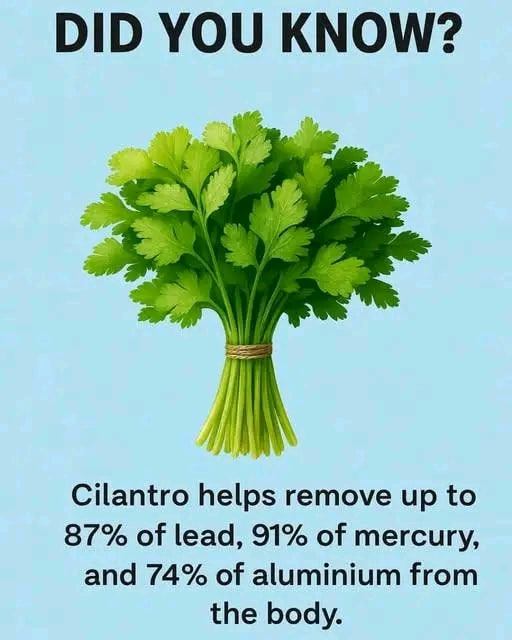
The Benefits of Coriander for the Body May Surprise You 🌿
Coriander is one of the oldest herbs used in cooking and traditional medicine. Known scientifically as:
Coriandrum sativum
its leaves are often called cilantro, while its seeds are known as coriander seeds in many countries.
For centuries, coriander has been used in traditional remedies across Asia, the Middle East, North Africa, and Latin America. Today, scientists continue studying this aromatic plant because it contains a variety of nutrients and plant compounds that may support overall health.
While coriander is not a miracle cure, research suggests it may provide several interesting benefits when included as part of a balanced diet.
1. Coriander Is Rich in Antioxidants
Coriander contains natural plant compounds called antioxidants.
These compounds help protect cells from oxidative stress caused by unstable molecules known as free radicals.
Oxidative stress has been linked to:
Aging
Inflammation
Heart disease
Certain chronic illnesses
Coriander contains antioxidants such as:
Quercetin
Terpinene
Tocopherols
Scientists believe diets rich in antioxidant-containing foods may help support long-term health.
2. It May Support Digestion
In traditional medicine, coriander has often been used to help with digestive discomfort.
Some people use coriander to relieve:
Bloating
Gas
Mild stomach cramps
Indigestion
Researchers suggest certain compounds in coriander may help stimulate digestive enzymes and support smoother digestion.
Coriander seeds are especially popular in herbal teas intended to calm the stomach.
However, scientific evidence is still developing, and effects may vary between individuals.
3. Coriander May Help Support Heart Health
Some early studies suggest coriander may help support cardiovascular health by contributing to:
Better cholesterol balance
Reduced oxidative stress
Improved circulation
Animal and laboratory research has shown coriander compounds may help reduce certain risk factors linked to heart disease.
In addition, coriander naturally contains:
Potassium
Magnesium
These minerals are important for normal blood pressure regulation.
Still, coriander alone cannot replace medical treatment or a healthy lifestyle.
4. It May Help Regulate Blood Sugar
Some research suggests coriander seeds may influence blood sugar metabolism.
Scientists believe certain compounds may help stimulate insulin activity and improve how the body processes glucose.
Because of this, coriander has attracted attention in studies related to:
Type 2 Diabetes
However, people already taking diabetes medication should be cautious with excessive herbal supplements because combining them may affect blood sugar levels too strongly.
More human studies are still needed to fully confirm these effects.
5. Coriander Contains Important Nutrients
Although usually eaten in small amounts, coriander still provides useful nutrients including:
Vitamin K
Vitamin C
Vitamin A
Folate
Potassium
Vitamin K is especially important for:
Bone health
Blood clotting
Meanwhile, vitamin C supports:
Immune function
Skin health
Collagen production
Fresh herbs may seem small, but they can contribute valuable micronutrients to meals.
6. It May Have Antibacterial Properties
Laboratory studies have found coriander contains compounds that may help fight certain bacteria and fungi.
Some researchers are investigating coriander extracts for their potential antimicrobial effects against foodborne bacteria.
Traditionally, coriander has also been used in some cultures to help preserve foods naturally because of these properties.
However, eating coriander alone will not “kill infections” or replace antibiotics prescribed by doctors.
7. Coriander May Support Brain Health
Some animal studies suggest coriander may have calming and neuroprotective effects.
Researchers are exploring whether antioxidant-rich herbs like coriander could help protect brain cells from oxidative stress linked to aging.
In traditional practices, coriander has sometimes been used to promote relaxation and sleep.
Still, much more human research is required before strong conclusions can be made.
8. It Can Be a Healthy Flavor Alternative
One underrated benefit of coriander is that it adds flavor naturally without needing excessive:
Salt
Sugar
Heavy sauces
Using herbs like coriander may help people create healthier meals while still enjoying rich taste and aroma.
It pairs well with:
Soups
Salads
Rice dishes
Grilled meats
Fish
Vegetables
Coriander Leaves vs. Coriander Seeds
Both forms come from the same plant, but they have slightly different properties.
Fresh Leaves (Cilantro)
Rich in vitamins
Commonly used fresh
Strong aroma
Popular in salads and sauces
Coriander Seeds
Warm, earthy flavor
Often used dried or ground
Common in herbal teas and spice blends
Are There Any Risks?
For most people, coriander is safe when consumed normally in food.
However:
Some individuals may have allergies
Excessive herbal supplements may interact with medications
Large amounts could affect blood sugar in sensitive individuals
As with any herb, moderation is important.
Final Thoughts
Coriander is far more than a simple garnish. This aromatic herb contains antioxidants, vitamins, minerals, and plant compounds that may support digestion, heart health, blood sugar balance, and overall wellness.
Although it is not a magical cure, adding fresh herbs like coriander to meals can be a smart and flavorful way to improve nutritional quality naturally.