A mini-stroke , also known as a transient ischemic attack (TIA), occurs when the blood supply to parts of the brain is temporarily reduced. Although the symptoms may last for a short time, a mini-stroke is a serious warning sign and should never be ignored.
This article is for educational purposes only and is not a substitute for professional medical advice.
What is a Mini Stroke?
A mini-stroke occurs when a blockage briefly interrupts blood flow to the brain. Unlike a major stroke, symptoms often resolve within minutes or hours. However, it may indicate a higher risk of a future stroke.
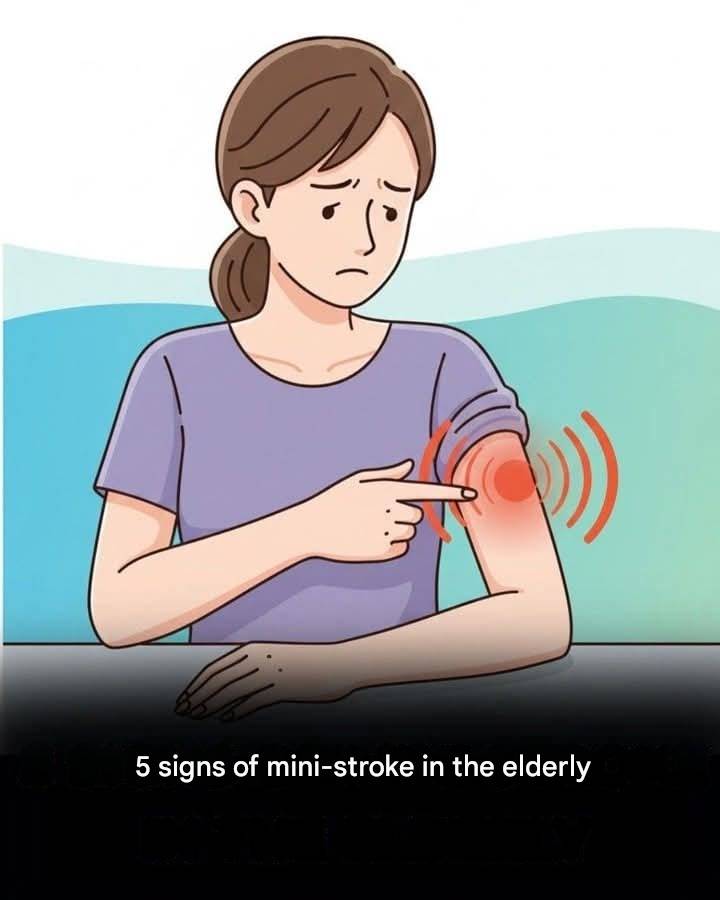
5 Common Signs of a Mini-Stroke in the Elderly
1. Sudden weakness or numbness
One of the most common signs is sudden weakness or numbness, especially on one side of the body—face, arm, or leg. This feeling can come and go quickly.
2. Difficulty speaking or understanding speech
Slurred speech, difficulty finding words, or difficulty understanding others can occur suddenly and without warning.
3. Vision problems
Temporary vision loss, blurred vision, or double vision in one or both eyes can be an early sign of a minor stroke.
4. Dizziness or loss of balance
Sudden dizziness, lack of coordination, or difficulty walking for no apparent reason should be taken seriously.
5. Sudden confusion or memory problems
Brief episodes of confusion, disorientation, or trouble remembering recent events can also be warning signs.
Why immediate attention matters
Even if symptoms resolve quickly, medical evaluation is necessary. A minor stroke can increase the risk of a serious stroke in the future, and early treatment can help reduce this risk.
When to seek help
If any of these symptoms appear – even for a short time – seek medical attention immediately. Quick action can make a significant difference. Final Note
Mini-strokes can be easy to miss, especially when symptoms disappear quickly. Awareness and quick response are key to protecting long-term health.
⚠️ Disclaimer
This content is for informational purposes only and is not intended to diagnose or treat any medical condition. Always consult a qualified healthcare professional for medical concerns.