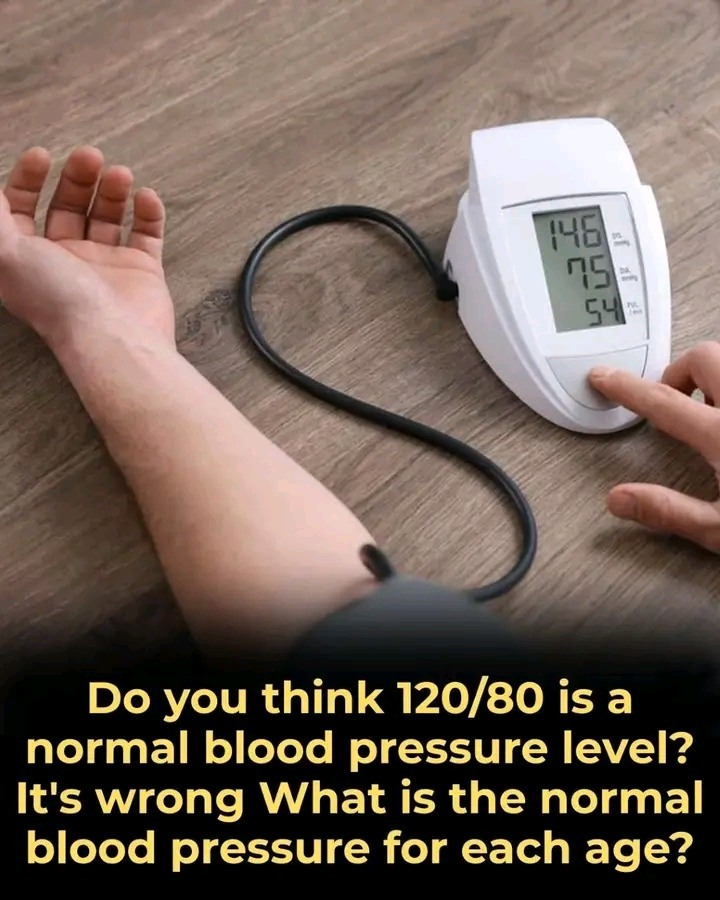
Blood pressure is one of the most important indicators of cardiovascular health. It measures the force of blood pushing against the walls of the arteries as the heart pumps. Doctors use two numbers to describe blood pressure:
Systolic pressure: the top number, showing pressure when the heart beats
Diastolic pressure: the bottom number, showing pressure when the heart rests between beats
For example, a reading of 120/80 mmHg means:
120 = systolic pressure
80 = diastolic pressure
120/80 mmHg120/80\ \mathrm{mmHg}120/80 mmHg
What Is Considered Normal?
According to modern cardiovascular guidelines, normal blood pressure for most healthy adults is generally considered:
Normal Blood Pressure<120/80 mmHg\text{Normal Blood Pressure} < 120/80\ \mathrm{mmHg}Normal Blood Pressure<120/80 mmHg
However, blood pressure naturally changes with age, activity, stress, sleep, medications, and overall health.
General Blood Pressure Ranges by Age
Children and Teenagers
Children usually have lower blood pressure than adults because their hearts and blood vessels are smaller. Readings vary depending on age, height, and growth stage.
Adults Ages 18–39
Many healthy younger adults fall within:
Around 90/60 to 120/80 mmHg
Adults Ages 40–59
Blood vessels gradually become less flexible with age, so mild increases may occur over time.
Adults Over 60
Slightly higher readings may become more common, but persistently elevated blood pressure still increases the risk of:
Heart disease
Stroke
Kidney disease
Vision problems
Doctors now focus more on overall cardiovascular risk rather than relying only on age-specific “normal” numbers.
Blood Pressure Categories
Health organizations commonly classify blood pressure into these ranges:
Category Systolic Diastolic
Normal Less than 120 Less than 80
Elevated 120–129 Less than 80
High Blood Pressure Stage 1 130–139 80–89
High Blood Pressure Stage 2 140 or higher 90 or higher
140/90 mmHg140/90\ \mathrm{mmHg}140/90 mmHg
Factors That Can Affect Blood Pressure
Many daily factors can temporarily influence readings:
Stress or anxiety
Physical activity
Caffeine
Smoking
Pain
Poor sleep
Certain medications
Because of this, doctors usually recommend taking multiple readings over time rather than relying on a single measurement.
Tips for Maintaining Healthy Blood Pressure
Experts recommend several lifestyle habits that support cardiovascular health:
Reducing excessive salt intake
Staying physically active
Maintaining a healthy weight
Managing stress
Avoiding smoking
Limiting excessive alcohol intake
Eating fruits, vegetables, and fiber-rich foods
Sleeping adequately
When to Seek Medical Advice
Medical evaluation is important if blood pressure readings:
Remain consistently high
Are repeatedly above 140/90 mmHg
Cause symptoms such as chest pain, severe headache, dizziness, or shortness of breath
Very low blood pressure may also require evaluation if it causes fainting, weakness, or confusion.
Monitoring blood pressure regularly can help detect problems early and reduce the risk of serious cardiovascular complications. Early lifestyle changes and proper medical care often play a major role in protecting long-term heart and vascular health.