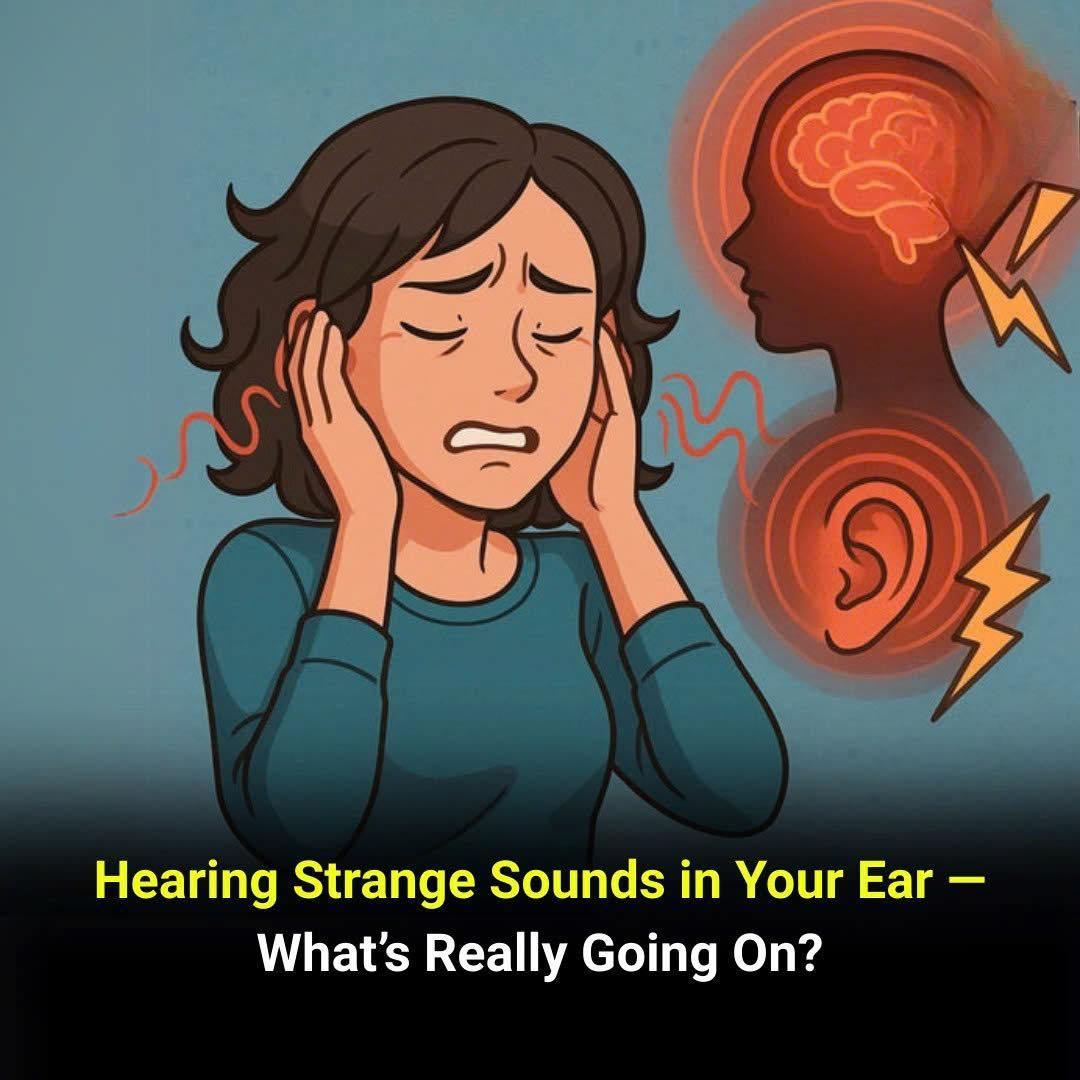
Hearing ringing, buzzing, humming, clicking, or other unusual sounds in the ears is a surprisingly common experience. Doctors refer to this condition as tinnitus, a symptom that affects millions of people worldwide. While the sounds are often harmless and temporary, persistent or sudden ear noises can sometimes signal an underlying medical issue that deserves attention.
What Is Tinnitus?
Tinnitus is the perception of sound without an external source. People describe it in different ways, including:
Ringing
Buzzing
Hissing
Roaring
Clicking
Pulsing
Whistling
The sounds may affect one ear or both ears and can range from mild to severe.
7
Common Causes of Unusual Ear Sounds
Specialists explain that tinnitus itself is not a disease but rather a symptom linked to many possible conditions.
Exposure to Loud Noise
Repeated exposure to loud music, machinery, concerts, or headphones at high volume can damage delicate hair cells inside the inner ear.
Age-Related Hearing Changes
Hearing ability naturally declines with age, and tinnitus becomes more common in older adults.
Earwax Blockage
A buildup of earwax can sometimes irritate the ear canal or affect hearing, leading to ringing or muffled sounds.
Stress and Anxiety
Emotional stress may worsen awareness of internal sounds and increase tinnitus severity in some individuals.
Certain Medications
Some medications have been associated with tinnitus as a side effect, including:
High doses of aspirin
Certain antibiotics
Some antidepressants
Certain blood pressure medications
Medical Conditions
Tinnitus may occasionally be linked to:
Ear infections
High blood pressure
Jaw joint disorders
Head injuries
Circulatory problems
Hearing loss
Warning Signs That Need Medical Attention
Doctors recommend prompt medical evaluation if unusual ear sounds:
Begin suddenly
Occur after head trauma
Are accompanied by dizziness or balance problems
Cause hearing loss
Include pulsing sounds matching the heartbeat
Affect only one ear persistently
These symptoms may indicate a more serious underlying condition.
Ways to Reduce Discomfort
Although there is not always a complete cure, many people find relief through lifestyle adjustments and medical care.
Helpful Habits May Include:
Lowering headphone volume
Protecting ears from loud noise
Managing stress and anxiety
Improving sleep quality
Reducing excessive caffeine or nicotine
Using white noise or calming background sounds
6
Medical Treatments
Depending on the cause, healthcare providers may recommend:
Earwax removal
Treatment for infections
Hearing aids
Sound therapy
Cognitive behavioral therapy
Medication adjustments
Researchers continue studying tinnitus and the complex relationship between hearing, the nervous system, and brain perception of sound.
While occasional mild ringing may not be dangerous, persistent or worsening ear noises should not be ignored. Early evaluation can help identify underlying problems, protect hearing health, and improve quality of life.