Introduction
If you’ve ever heard a constant ringing, buzzing, or hissing in your ears, you know how distracting and frustrating it can be. Even when everything around you is quiet, the sound seems impossible to escape.
This condition is called Tinnitus, and it affects millions of people around the world. The good news is that understanding why it happens can make it easier to manage — and in many cases, reduce its impact on your daily life.
What Is Tinnitus?
Tinnitus is the perception of sound without an external source. In simple terms, your ears and brain create sounds that no one else can hear.
People with tinnitus may notice:
Ringing
Buzzing
Hissing
Clicking
Whistling sounds
It may affect one ear, both ears, or seem like it’s coming from inside the head.
Why Tinnitus HappensTinnitus is often linked to changes in hearing. When the ears stop sending normal sound signals to the brain — sometimes because of hearing loss, loud noise exposure, or aging — the brain tries to compensate by “filling in the gaps.”
This overactivity can create phantom sounds.
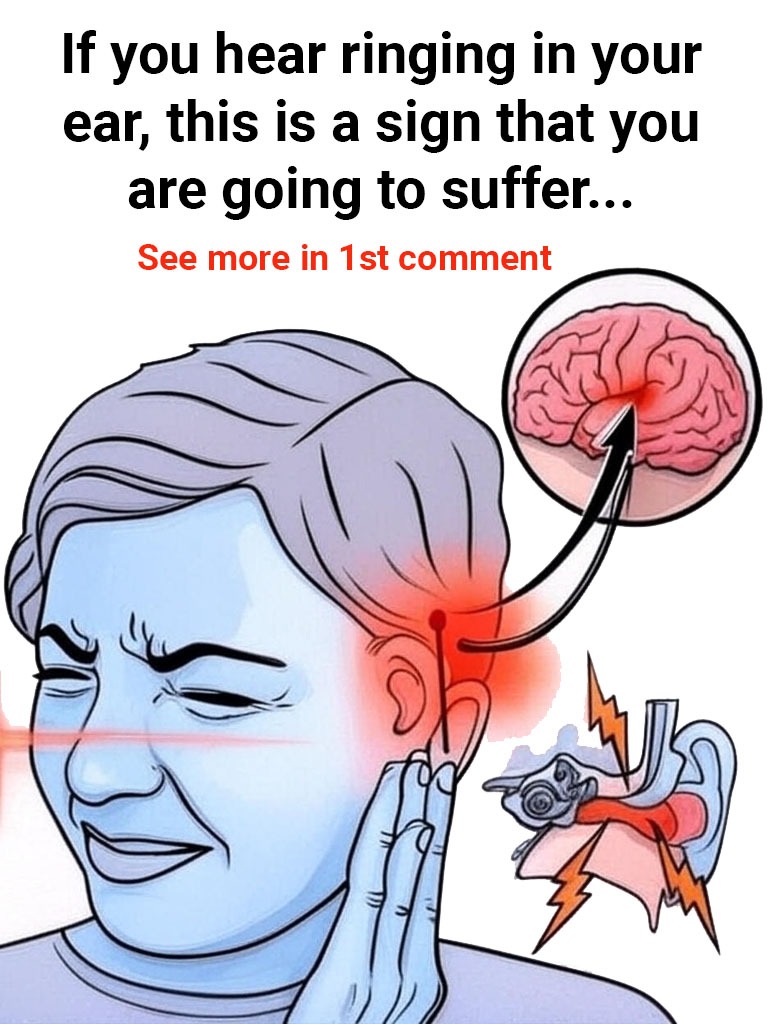
But tinnitus is not only about the ears. Research shows it also involves areas of the brain connected to:
Attention
Emotion
Stress response
Memory
That’s why tinnitus can become mentally and emotionally exhausting over time.
The Stress Cycle of Tinnitus
One reason tinnitus feels overwhelming is because it can trigger a stress loop:
The ringing begins.
The brain interprets it as a threat.
Stress and anxiety increase.
The brain focuses more on the sound.
The ringing feels louder and more noticeable.
This cycle can make symptoms seem worse, especially during periods of stress, fatigue, or anxiety.
Common SymptomsPeople with tinnitus may experience:
Persistent or occasional ringing in the ears
Trouble concentrating
Difficulty sleeping
Anxiety or irritability
Increased sensitivity to sound
Symptoms vary from person to person. For some, tinnitus is mild. For others, it can interfere with work, rest, and emotional well-being.
Tips That May Help Relieve Tinnitus
While there is no universal cure, many people find relief through lifestyle changes and sound management techniques.
Reduce Stress
Relaxation practices such as meditation, deep breathing, and yoga may help calm the brain’s stress response.
Protect Your Hearing
Avoid prolonged exposure to loud noises and use ear protection when needed.
Improve Sleep Habits
A regular sleep schedule and limiting screen time before bed can improve rest and reduce symptom intensity.
Use Background Sound
White noise machines, fans, or soft music can help mask ringing and make tinnitus less noticeable.
Maintain a Healthy Diet
Some people report improvement when limiting:
Excess caffeine
Alcohol
High-sodium foods
A balanced diet rich in leafy greens, omega-3 fatty acids, and magnesium may support overall ear and brain health.
Frequently Asked QuestionsIs tinnitus permanent?
Not always. Some cases are temporary, especially when caused by ear infections, medication side effects, or short-term noise exposure.
Can stress make tinnitus worse?
Yes. Stress and anxiety can increase the brain’s focus on tinnitus, making symptoms feel louder or more intrusive.
When should I see a doctor?
Seek medical advice if tinnitus:
Starts suddenly
Occurs in only one ear
Comes with dizziness or hearing loss
Pulses in rhythm with your heartbeat
Conclusion
Tinnitus is more than an ear problem — it’s closely connected to brain function, stress, and emotional health. Understanding this connection can help you respond with better coping strategies instead of fear or frustration.
If you’re living with tinnitus, remember that relief is possible. Small lifestyle changes, stress management, and proper medical guidance can make a meaningful difference over time.