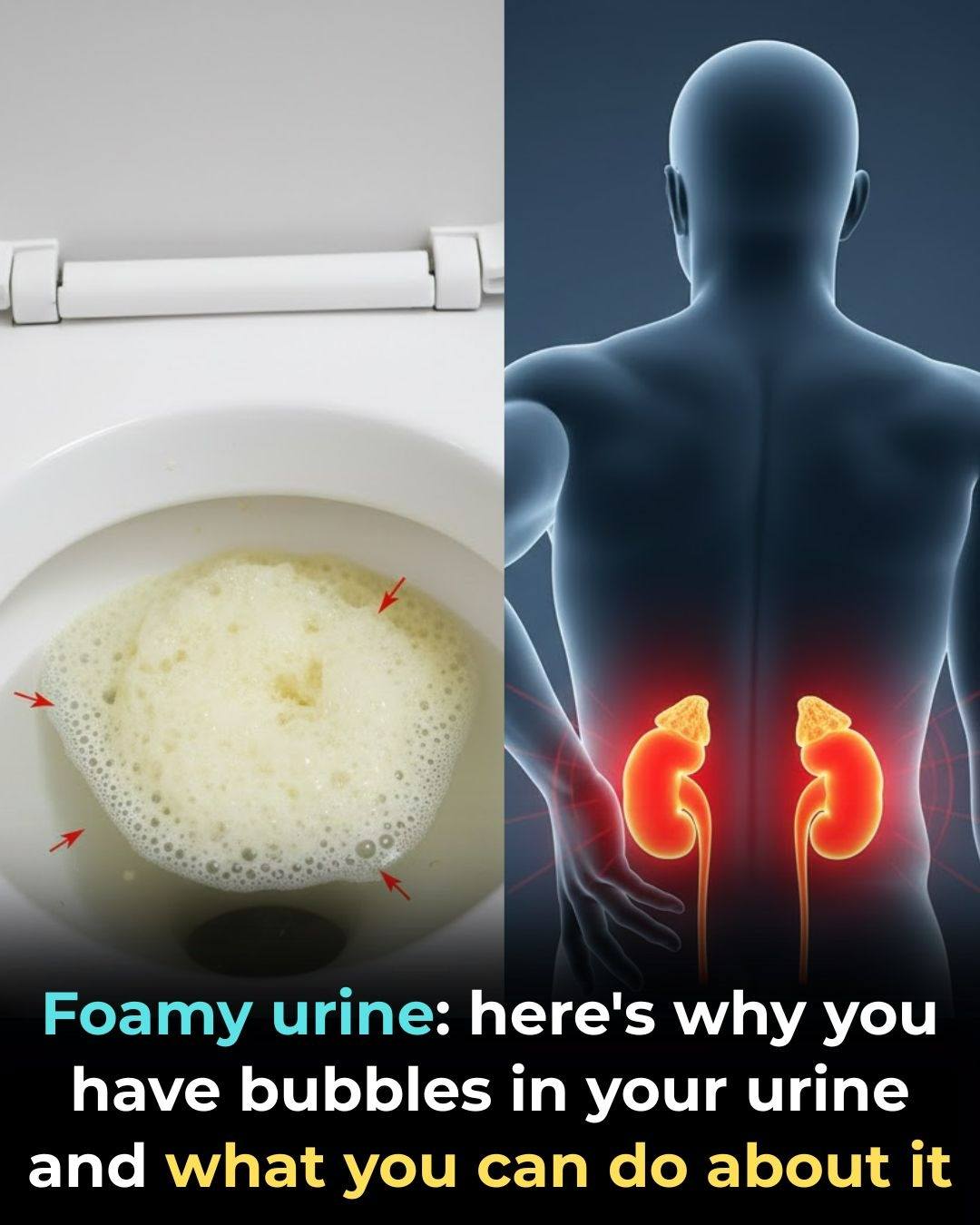
Noticing a head of foam in the toilet bowl after you urinate can be a surprising and sometimes worrying sight. While it’s often harmless and fleeting, persistent or excessive foam can sometimes be a signal from your kidneys worth understanding. Here’s a clear, calm guide to why urine foams and the key signs that mean you should pick up the phone and call your doctor.
Common, Harmless Causes (The “Likely Fine” List)
Most of the time, foam is just a physical phenomenon, not a medical one.
Speed & Force: A strong, fast stream hitting the toilet water can trap air, creating temporary bubbles that disappear in a few minutes—just like pouring a soda quickly into a glass.
Dehydration: Concentrated, dark yellow urine (from not drinking enough water) has more waste products and less water, which can make it foam more easily.
Toilet Cleaners: Residual chemicals or cleaners in the bowl can lower the water’s surface tension, causing bubbles to form more readily and last longer.
Ejaculate Residue (in men): Leftover semen in the urethra can mix with urine, causing a frothy appearance. This is normal.
Potential Medical Causes (When Foam Is a Symptom)
When foam is persistent (happens most of the time over several days), excessive (looks like the head on a beer), and doesn’t disappear quickly, it can indicate excess protein in the urine—a condition called proteinuria.
This is the main medical reason for concern. The protein acts like a surfactant (similar to soap), creating stable bubbles. Common underlying causes include:
Kidney Issues: The kidneys’ filters (glomeruli) may be damaged, allowing protein (usually albumin) to leak into the urine. This can be related to conditions like:
Diabetes (the leading cause of kidney disease)
High Blood Pressure
Glomerulonephritis (inflammation of the kidney filters)
Preeclampsia: A serious pregnancy complication characterized by high blood pressure and protein in the urine. Pregnant women with new, persistent foamy urine should contact their obstetrician immediately.
Heart Disease: Congestive heart failure can sometimes cause proteinuria.
Intense Exercise (Transient): Very vigorous activity can cause temporary proteinuria that resolves with rest.
Your Action Plan: What to Do If You’re Concerned
Step 1: The Home Observation Test.
Don’t panic after one foamy episode. Do a simple check:
Drink several glasses of water to ensure you’re well-hydrated.
The next time you need to urinate, urinate directly into a clean, dry container (like a washed jar or the collection cup from a drugstore test).
Look at the urine in the container, not the toilet. Does it still have a persistent layer of small bubbles on top that don’t vanish after a few minutes?
Step 2: Know the Red Flags. Contact a doctor if you have persistent foam and any of these:
Swelling in your hands, feet, ankles, abdomen, or face (a sign of fluid retention).
Significant changes in urination patterns (frequency, amount, color).
Unexplained fatigue, nausea, or loss of appetite.
Pain in your side or back (near your kidneys).
You have a history of diabetes, high blood pressure, or kidney disease.
Step 3: See Your Doctor.
A doctor can easily distinguish harmless foam from a problem with a simple, inexpensive test.
They will likely order a Urinalysis (urine test). A dipstick test gives instant results for protein. If protein is detected, they may follow up with a 24-hour urine collection or a Urine Albumin-to-Creatinine Ratio (UACR) test to measure the exact amount of protein.
A blood test to check your kidney function (creatinine, GFR) is also standard.
The Bottom Line
Occasional, fast-dissolving foam is almost always normal, caused by speed or dehydration.
Consistent, copious foam that looks like beaten egg whites or beer foam could be a sign of protein in your urine, which warrants a doctor’s visit to check your kidney health.
When in doubt, get it checked out. It’s a simple test that can provide significant peace of mind or catch a potential issue at its most manageable stage.