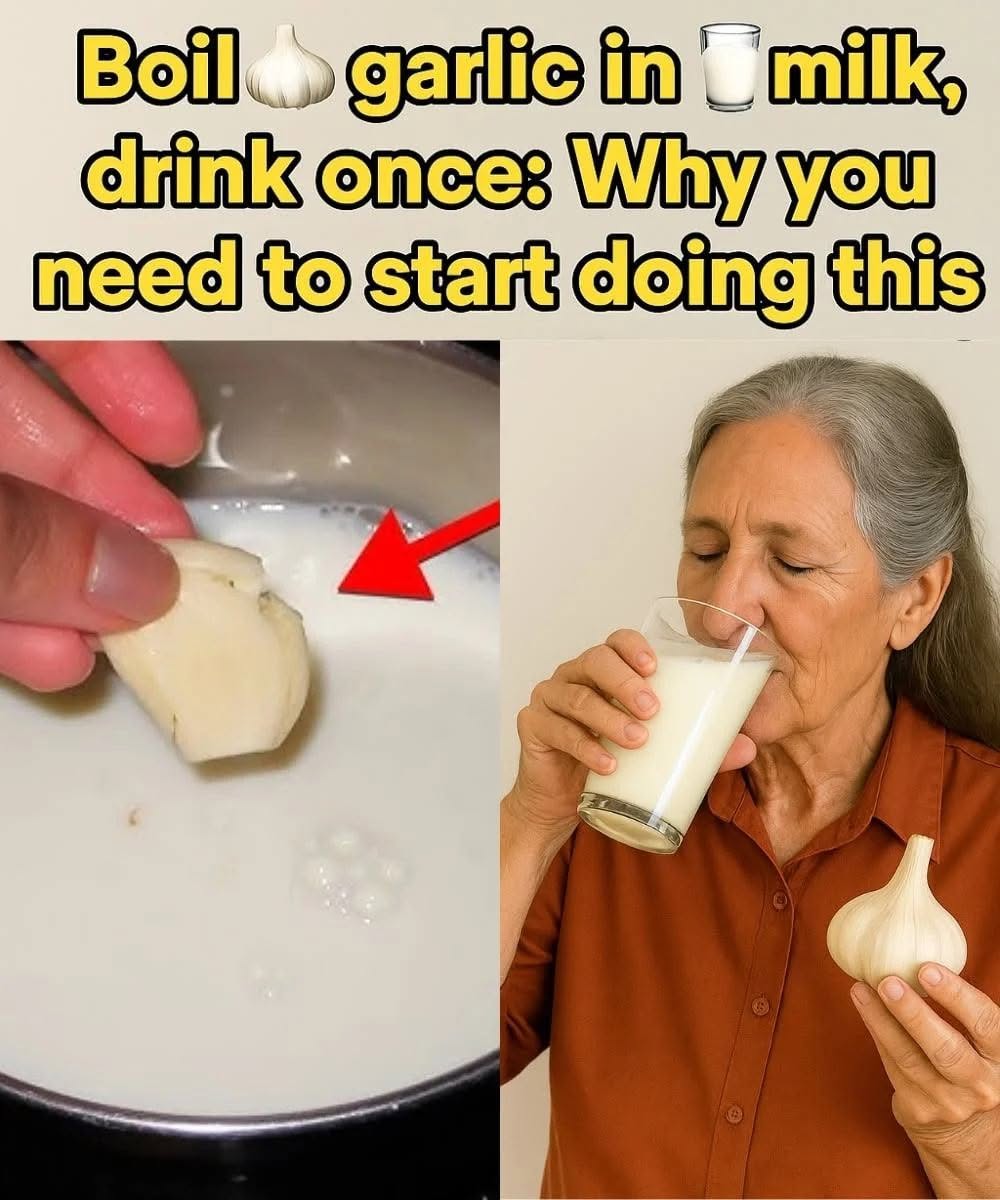
Natural Defense Against Colds and Flu – Plus 13 Surprising Benefits of Garlic Milk
Here’s what the evidence says:
Claim Evidence
Helps prevent or shorten colds Limited evidence. Some studies suggest garlic supplements may slightly reduce the frequency of colds, but the evidence is low quality and doesn’t apply specifically to garlic milk. It is not a proven treatment for influenza.
Fights viruses and bacteria Partly true. Garlic contains compounds such as allicin that show antimicrobial activity in laboratory studies. This does not mean eating garlic treats infections in people.
Asthma or bronchitis relief No reliable evidence. Garlic milk should not be considered a treatment for asthma or chronic lung disease.
Improves sleep Weak evidence. Warm milk may be comforting before bed, but there is little evidence that garlic improves sleep.
Improves digestion Possible for some people, worse for others. Garlic can stimulate digestion, but it can also cause heartburn, bloating, and stomach upset.
Heart health Some evidence. Garlic may produce small reductions in blood pressure and cholesterol in some people when consumed regularly or as standardized supplements. The effects are modest and don’t replace prescribed treatment.
Stronger bones Insufficient evidence. This claim is not well supported in humans.
Natural pain relief Very limited evidence.
Detoxifies the liver No scientific evidence that garlic milk “detoxes” the body. Your liver and kidneys already perform detoxification.
Boosts immunity Possible modest effect, but not enough evidence to claim major immune enhancement.
Improves skin Not proven.
Improves circulation/cold hands Not established.
Helps with weight loss Very limited evidence. Garlic is not a meaningful fat-burning food.
Relieves menstrual cramps Some preliminary studies suggest garlic supplements may reduce menstrual pain, but evidence is limited and doesn’t specifically involve garlic milk.
Reduces stress or anxiety Not well supported.
One inaccurate statement
The article says:
“When heated in milk, these compounds become more bioavailable.”
This is misleading.
Allicin, garlic’s best-known active compound, is actually formed when fresh garlic is crushed and is relatively unstable when heated. Cooking doesn’t necessarily make it more available; in fact, prolonged heating can reduce allicin levels.
Is garlic milk safe?
For most healthy adults, drinking garlic milk occasionally is unlikely to be harmful.
However, be cautious if you:
Take blood-thinning medications (such as warfarin or some antiplatelet drugs), because garlic can increase bleeding risk.
Have acid reflux or sensitive stomach, since garlic may worsen symptoms.
Have a garlic or dairy allergy.
Have lactose intolerance (unless using lactose-free milk).
Bottom line
Garlic is a healthy food with some promising research behind it, particularly regarding cardiovascular health and possibly a modest effect on preventing some common colds. Milk is also nutritious for many people.
However, there is no strong scientific evidence that combining garlic and milk creates a remedy capable of treating or preventing the wide range of conditions listed in the article. Enjoy garlic milk if you like the taste or find it comforting, but don’t rely on it instead of evidence-based medical care for infections, asthma, heart disease, or other health conditions.