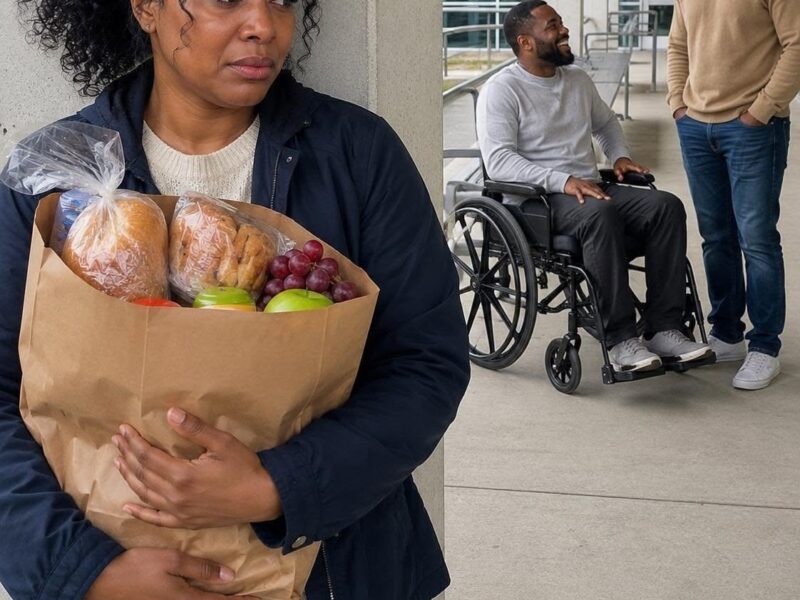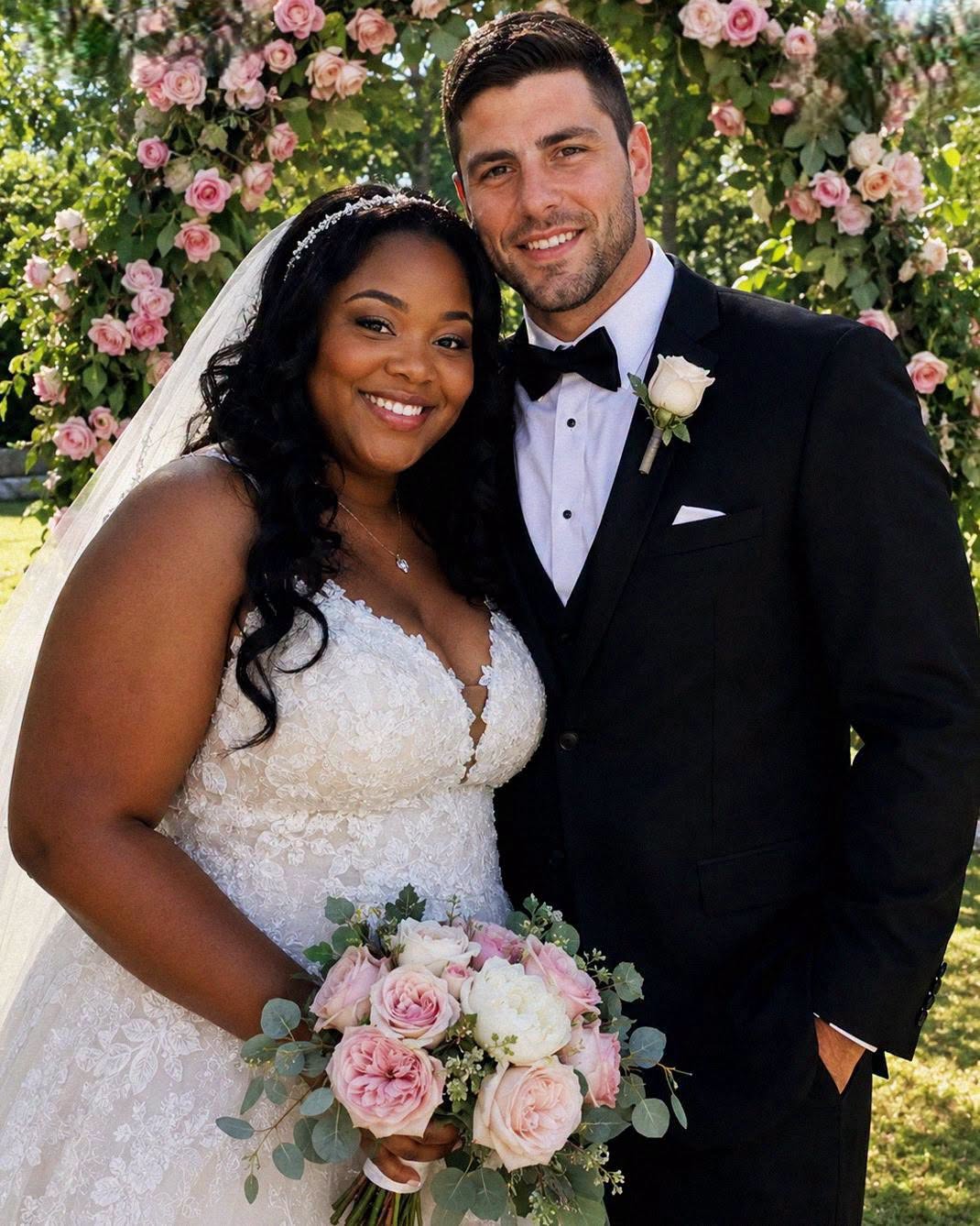
The Maldivian sunset painted the ocean in shades of hammered gold, and for a fleeting moment, I felt like the luckiest woman alive. I stood on our private balcony, still dressed in the remnants of my wedding finery, finally married to the boy from the house next door. Carter had spent my childhood dismantling my confidence, tearing my sketchbooks, and making me feel like a stain on his mother’s manicured lawn. But two years ago, he returned a changed man, begging for forgiveness with such desperate urgency that I let myself believe he was my soulmate. I was wrong.
Everything about our whirlwind romance had felt frantic, as if Carter were racing against an invisible clock. When he finally confessed that he was supposedly dying from a rare, inherited neurological disease, my heart broke for him. I viewed our wedding as a final, beautiful act of devotion. But as I turned from the balcony that night, ready for our first night as husband and wife, the man waiting in our suite wasn’t the lover I expected. He stood rigid, pale as the linens, holding a thick envelope. When he spoke, his voice was hollow: “Two years ago, I was told I was dying. But you were never supposed to be the whole list.”
The documents inside that envelope were a cold, calculated autopsy of my own life. It turns out, his “diagnosis” was a web of medical fraud orchestrated by his mother, Vivienne, the same woman who once told my father to keep me off her grass. Carter claimed he had only intended to apologize as a final bucket-list item before he died, but somewhere along the way, he had genuinely fallen for me. However, when he discovered six weeks ago that the initial medical report was a complete fabrication, he didn’t come clean. He waited. He let me walk down that aisle, vow my life to him, and build a future on a foundation of professional-grade deception.
The betrayal hit me harder than any childhood taunt ever had. When I demanded to know why he hadn’t just called off the wedding, he confessed that his mother had been holding my parents’ mortgage over his head, effectively using our marriage as collateral for a financial takeover. He had spent the last six weeks desperately trying to buy back the loan, waiting until the very morning of our wedding to finalize the transfer so he could “protect” my parents before breaking my heart. He expected me to be grateful for the sacrifice, but as I stood there in my wedding dress, the crushing weight of his cowardice felt suffocating.
I didn’t stay in that room. I fled to a separate part of the resort, spending the next two days meticulously cataloging every lie. With the help of my friend Danielle, I uncovered the truth: the clinic that provided his diagnosis was a ghost operation, funded by the same family trust that stood to inherit millions if Carter married before his twenty-seventh birthday. There was no disease, no impending death, and no nobility in his silence. He hadn’t been protecting me; he had been protecting a inheritance while playing the role of a tragic hero to ensure I remained a compliant prop in his mother’s sociopathic theater.
When I finally confronted him on the beach at sunrise, he didn’t try to deny the fraud. He simply stood there, a broken man admitting that he had believed his own mother’s lies until the very end. He had been a pawn, but a willing one. I handed him the printouts, watched the color drain from his face, and felt a strange, chilling detachment. I had spent my life craving his approval, mistaking his grand gestures for love and his apologies for proof that people could change. I hadn’t ignored the red flags; I had simply chosen to believe the fairy tale instead of the facts.
I filed for an annulment the next day, voiding the marriage on the grounds of fraud. Carter didn’t fight it; he seemed to accept the sentence with a hollow sort of resignation. But I wasn’t finished with the woman who had orchestrated my misery. Vivienne wanted a show, and for the first time in my life, I decided to give her exactly what she deserved. I waited two weeks, accepted her invitation to a grand welcome-home brunch, and arrived wearing the same wedding dress that had once felt like a promise and now felt like armor.
Standing before her social circle, I didn’t scream or cry. I simply opened a folder and began to read the dates. I recited the timeline of the fake diagnosis, the clinic renovations, and the suspicious trust fund deadlines. I let the facts speak for themselves, watching in silence as the color drained from Vivienne’s face and her social standing collapsed in real-time. Guests drifted away, murmuring in disgust, and for the first time, I didn’t feel like a stain on her lawn. I felt like the person who had finally cleaned it.
Carter apologized for everything, from the childhood bullying to the marriage-long con, but I didn’t soften. His apology was too little, too late. I walked out of that brunch without looking back, and by the time I reached my parents’ house, I felt a lightness I hadn’t experienced since fifth grade. I pulled out my old, weathered sketchbook and opened to a blank page. The house next door was no longer a shadow over my life. I picked up my pencil, drew a single, steady line, and began to design a future that didn’t belong to anyone but me. I didn’t need a Prince Charming; I just needed to stop mistaking performances for love.