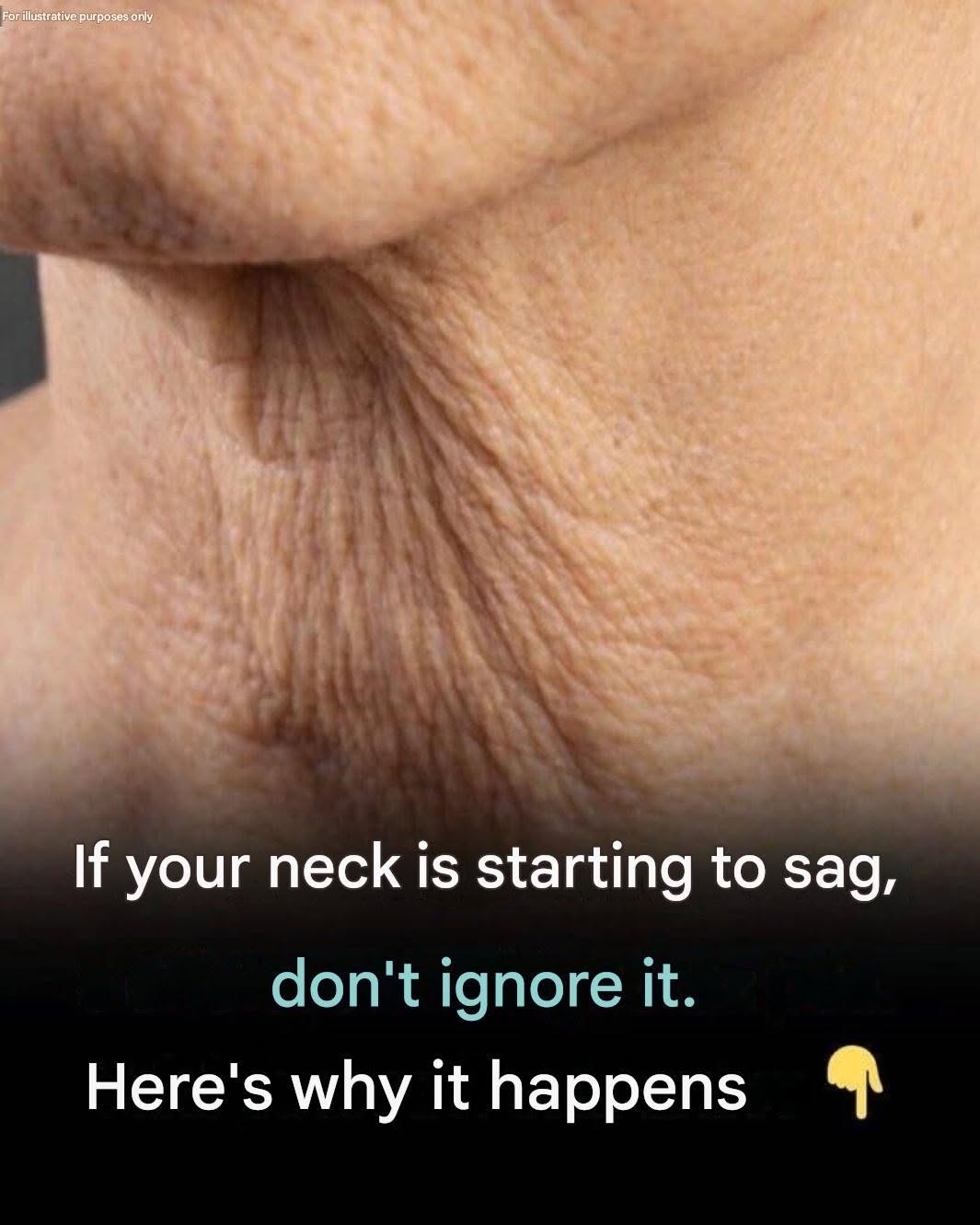
As we age, our bodies naturally undergo many changes, some subtle, others much more noticeable. One of these, often unexpected, is sagging skin on the neck. Commonly known as “turkey neck,” this phenomenon is a visible sign of aging, particularly bothersome because it’s difficult to conceal and can affect self-confidence and self-image.
Understanding the causes of sagging neck skin and the realistic solutions available allows you to take concrete steps to maintain a firmer, more youthful appearance. This guide explores the biological, environmental, and lifestyle factors that contribute to sagging neck skin, as well as prevention strategies and treatments for healthier neck skin over time.
3. Impact of sun exposure on skin elasticity
Sun exposure is one of the main external causes of premature skin aging, particularly sagging skin on the neck. Ultraviolet (UV) rays penetrate deep into the skin, degrading collagen and elastin, a process known as photoaging.
Studies suggest that up to 80% of visible signs of aging, such as wrinkles, age spots, and sagging skin, are linked to cumulative sun exposure. Because many people forget to apply sunscreen to their necks, this area often ages faster than the face. Daily use of a broad-spectrum sunscreen, combined with wearing protective clothing and seeking shade, can significantly slow this process.
4. Influence of genetics on skin aging of the neck
Genetics plays a significant role in how quickly the neck shows signs of aging. Some people are genetically predisposed to thinner skin, reduced collagen production, or early muscle laxity—all factors that can lead to premature skin sagging.
While genetics are immutable, early intervention is essential. Regular sun protection, quality skincare, and a healthy lifestyle can help delay the visible signs of aging, even in people with a genetic predisposition.
5. The Effect of Weight Fluctuations
Frequent or rapid weight fluctuations can have a considerable impact on the appearance of the neck. Sudden weight loss can lead to sagging skin due to decreased elasticity, while repeated weight gain stretches the skin beyond its ability to retract.
Maintaining a stable and healthy weight through a balanced diet and regular physical activity helps preserve the skin’s structure. If weight loss is desired, gradual changes allow the skin to adapt and reduce the risk of sagging.
6. The importance of hydration for skin health
Proper hydration is essential for maintaining skin firmness and elasticity. Well-hydrated skin appears plumper, smoother, and more resilient, while chronic dehydration can accentuate sagging skin and fine lines.
Drinking 8 to 10 glasses of water a day contributes to healthy skin from within. Topical hydration is just as important: products containing hyaluronic acid, glycerin, and ceramides help strengthen the skin barrier and retain moisture.
7. Popular viral tips for firming the neck
Social media is overflowing with miracle cures for sagging neck skin, such as facial yoga, homemade masks, self-massage with ice, and the use of tools like gua sha stones and jade rollers. While these techniques may temporarily improve circulation or reduce puffiness, their long-term effects on skin laxity remain limited.
These methods can complement a skincare routine, but should not replace scientifically based treatments. For safe and effective results, it is always recommended to consult a qualified skincare professional.
8. The Benefits of Neck Exercises
Targeted neck exercises can strengthen the underlying muscles and improve posture. Movements such as chin lifts, neck stretches, and resistance exercises engage the platysma muscle and gradually reduce the appearance of sagging skin.
Consistency is key. While results are gradual, practicing these exercises several times a week will lead to noticeable improvements. Proper technique is essential to avoid strain.
9. Targeted neck care
Many skincare products are specifically designed for the neck and décolleté. Their formulas often contain retinoids, peptides, antioxidants, and collagen-boosting ingredients, thus improving skin texture and firmness.
Applying your facial skincare products to your neck and using specific neck creams daily helps maintain a consistent skincare routine. Over time, regular use improves elasticity, smooths fine lines, and evens out skin tone.
10. Professional Treatments and Interventions
For faster or more dramatic results, professional treatments can be considered. Non-invasive procedures such as radiofrequency, ultrasound, and laser treatments stimulate collagen production and firm the skin with minimal downtime.
Surgical procedures such as neck lifts offer the most dramatic and lasting results, but involve higher costs and a longer recovery time. A consultation with a qualified specialist will help determine the most suitable approach.
11. Lifestyle changes to prevent sagging skin on the neck
Healthy habits play a major role in slowing down neck aging. A diet rich in nutrients, antioxidants, vitamins, and healthy fats promotes collagen production and skin repair. Vitamins C and E, zinc, and omega-3 fatty acids are particularly beneficial.
Sufficient sleep, regular physical activity, and good stress management also contribute to healthy skin. Avoiding smoking and limiting alcohol consumption can significantly reduce premature aging. With consistent care and healthy habits, it’s possible to maintain a firm, youthful-looking neck, even in old age.