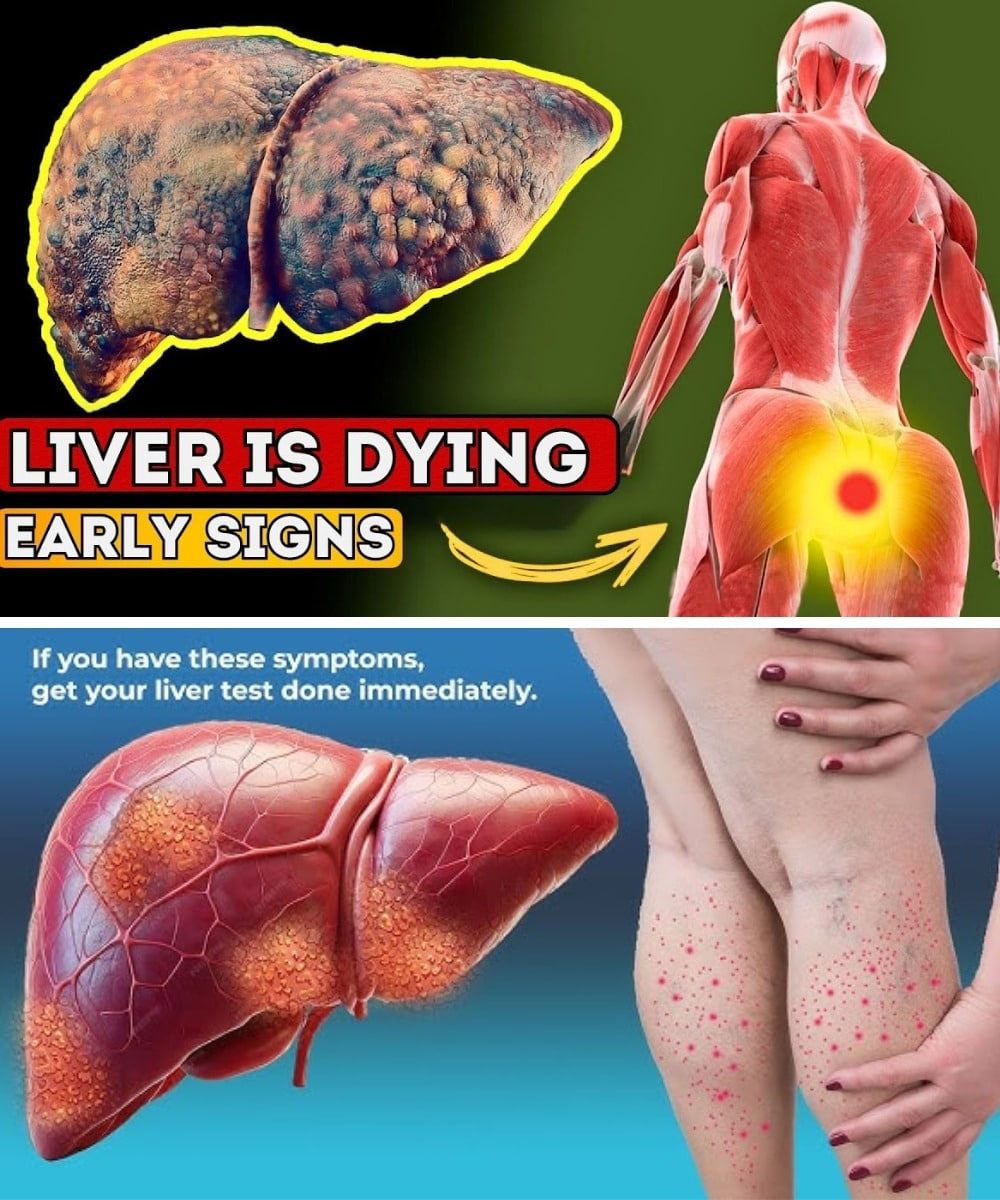
The liver is one of the most important organs in the human body. It filters toxins from the blood, helps digest food, stores energy, and produces proteins essential for life. However, when the liver is repeatedly damaged over time, healthy tissue can be replaced by scar tissue, a condition known as liver cirrhosis.
Cirrhosis develops gradually and may go unnoticed for years. In its early stages, symptoms can be subtle and easily mistaken for other health problems. Recognizing the warning signs early can help individuals seek medical attention before severe complications develop.
What Is Liver Cirrhosis?
Liver cirrhosis occurs when chronic injury causes permanent scarring of the liver. As scar tissue accumulates, the liver becomes less able to perform its vital functions.
Common causes include:
Chronic hepatitis B or C infection
Excessive alcohol consumption
Non-alcoholic fatty liver disease (NAFLD)
Autoimmune liver diseases
Certain inherited disorders
Long-term exposure to toxins
1. Persistent Fatigue
One of the earliest and most common symptoms is ongoing fatigue.
People with cirrhosis often experience:
Low energy levels
Weakness
Reduced stamina
Difficulty concentrating
Fatigue may occur because the damaged liver struggles to process nutrients and remove toxins efficiently.
2. Loss of Appetite
A declining appetite can be an early warning sign.
Individuals may notice:
Reduced interest in food
Feeling full quickly
Unexplained decrease in food intake
Over time, this can contribute to nutritional deficiencies.
3. Unexplained Weight Loss
Many people with developing cirrhosis lose weight without intentionally dieting.
Possible reasons include:
Reduced appetite
Poor nutrient absorption
Increased energy demands caused by chronic illness
4. Nausea and Digestive Discomfort
The liver plays a key role in digestion.
Early cirrhosis may cause:
Nausea
Indigestion
Bloating
Abdominal discomfort
These symptoms are often intermittent and easily overlooked.
5. Easy Bruising
The liver produces proteins involved in blood clotting.
As liver function declines, individuals may notice:
Frequent bruises
Bruises from minor injuries
Slow clotting after cuts
This can occur even before advanced liver disease develops.
6. Frequent Bleeding
People may experience:
Nosebleeds
Bleeding gums
Prolonged bleeding from small wounds
These symptoms can result from reduced production of clotting factors.
7. Itchy Skin
Persistent itching without an obvious skin condition may be linked to liver disease.
Researchers believe itching may occur when substances normally removed by the liver accumulate in the body.
The itching can range from mild irritation to severe discomfort.
8. Swelling in the Legs and Ankles
A damaged liver may have difficulty regulating fluid balance.
This can lead to:
Swollen feet
Puffy ankles
Leg swelling that worsens throughout the day
The condition is known as edema.
9. Yellowing of the Skin and Eyes
Yellow discoloration, called jaundice, occurs when bilirubin builds up in the bloodstream.
Signs include:
Yellow eyes
Yellow skin
Dark urine
Pale-colored stools
Jaundice is one of the most recognizable signs of significant liver dysfunction.
10. Abdominal Swelling
As cirrhosis progresses, fluid can accumulate in the abdomen.
This condition, known as ascites, may cause:
Increased abdominal size
Tightness in the stomach area
Discomfort when sitting or moving
Ascites often requires medical evaluation and treatment.
11. Mental Confusion
A healthy liver removes toxins from the bloodstream.
When liver function declines, toxins can affect the brain, leading to:
Forgetfulness
Difficulty concentrating
Confusion
Personality changes
This condition is called hepatic encephalopathy.
12. Spider-Like Blood Vessels
Some people develop small, spider-shaped blood vessels visible beneath the skin.
These are commonly found on:
The face
The neck
The upper chest
The arms
They are known as spider angiomas and can be associated with chronic liver disease.
When to Seek Medical Attention
Consult a healthcare professional if you experience:
Persistent fatigue
Jaundice
Unexplained weight loss
Abdominal swelling
Easy bruising
Ongoing itching
Mental confusion
Early diagnosis can help slow disease progression and improve long-term outcomes.
Can Cirrhosis Be Prevented?
Many cases can be prevented by:
Limiting alcohol consumption
Maintaining a healthy weight
Managing diabetes
Getting vaccinated against hepatitis B
Avoiding risky behaviors that increase hepatitis infection risk
Following medical advice for chronic liver conditions
Conclusion
Liver cirrhosis is a serious condition that develops when long-term liver damage causes permanent scarring. Early symptoms such as fatigue, loss of appetite, itching, easy bruising, and swelling may seem minor at first, but they should not be ignored. While cirrhosis cannot always be reversed, early detection and treatment can slow its progression, reduce complications, and significantly improve quality of life. Paying attention to these warning signs may help protect one of the body’s most vital organs before irreversible damage occurs.