Tuberculosis, polio, the bubonic plague, and smallpox are all diseases of the past that are long gone… right? Turns out, that may not be true. Smallpox may still exist, frozen in the tundras of Siberia. It’s unclear how long smallpox can survive after someone dies, but traces of the virus have been found in well-preserved mummies and frozen bodies.
What is smallpox? The disease once ravaged the globe, particularly in the late 20th century, but it’s been around for potentially thousands of years. It killed hundreds of millions before a vaccine was developed in 1796, but the disease continued to spread for decades. In 1980, the World Health Organization finally declared smallpox eradicated, but scientists now think there may be reason for concern. In 2016, old anthrax spores were revived in Siberia and spread rapidly after old graves melted from the permafrost, killing thousands of reindeer and even one child. Who’s to say the same thing won’t happen with smallpox?
Smallpox symptoms can be hard to diagnose, considering that it can initially look like chicken pox or other rashes. The small bumps cover the body, but eerily, also in the preserved corpses, scabs and bumps for hundreds of years. The effects of smallpox have even been found in a mummy from 3,000 years ago. It’s those scabs that contain smallpox DNA. This debilitating disease kills a third of those it infects, so let’s hope that smallpox doesn’t make a comeback.
Smallpox Threatens To Reemerge In Siberia
In 2016, global warming caused the graves of those who died from anthrax to thaw, reactivating the dormant spores. The virus soon spread to a nearby town where about 100 people were infected and a child and thousands of reindeer died as a result. Could the same thing happen with smallpox? Scientists aren’t yet sure, but they’re closely monitoring the possibilities.
In the 1890s, 40% of a town called Kolyma in Siberia died from smallpox, and now those graves are in danger of melting as the permafrost thaws under climate change. Just as spores of anthrax were released into the air, so follows the possibility of the smallpox spores. Though scientists have found only smallpox DNA and not the live virus so far, that doesn’t mean the risk isn’t there.
North Korea Could Use Smallpox In Biological Warfare
Though smallpox hasn’t been seen since 1977, there’s reason to be concerned that North Korea could use the virus for nefarious purposes. Although reportedly North Korea doesn’t legally have the virus (only the US and Russia legally possess it), experts are fairly sure that North Korea has it — and they’ve been sending scientists to get the kinds of degrees to help create biological weapons of mass destruction. What’s particularly damning is that North Korea has denied having any such program, but in 2016, Kim Jong-un showed off a new medical-type lab facility on TV, and the American government saw machines that are used to create exactly such weapons.
What makes smallpox so dangerous — and how it killed so many prior to vaccinating against smallpox — is that it’s spread through the air. So, you don’t have to touch someone with smallpox lesions to get infected; you only need to breathe the air where someone coughed to put yourself at risk.
It’s not just North Korea the world should worry about, though. Some of Russia’s smallpox scientists may have been persuaded to work for Iran, with whom the US has volatile relations. In the late 1990s, a Russian defector told the US government about Russia’s biological warfare efforts with smallpox and anthrax, supposedly because Russia believed the US was doing the same thing.
A Third Of Those Infected With Smallpox Die
If you get smallpox, your chances of survival aren’t exactly great, as one-third of those infected die from it. Hundreds of millions have died from the virus, sometimes wiping out entire cities or populations. The Aztecs, Incas, Aborigines, and Native Americans were particularly affected by the arrival of smallpox. When Columbus arrived in America, there were 72 million Native Americans, by 1800, there were only 600,000, thanks in large part to smallpox brought from overseas.
In 2016, Smallpox Was Discovered In New York
Lest you think that remote Russians are the only ones who need to be afraid of a recurrence of smallpox, think again. In 2016, construction workers in Queens, New York came across an iron coffin with surprising contents: a mummified body with the telltale bumps of smallpox. Though the virus was not live in the mummy found in Queens, researchers still believe that a well-preserved mummy kept in cold conditions could still harbor a live virus.
There Are Top Secret Vials Of Smallpox
Officially, there are two stocks of smallpox in the world: one at the Center for Disease Control and Prevention in Atlanta, Georgia and another at the VECTOR laboratory in Russia. Unofficially, it’s expected that other countries have acquired the virus (like North Korea).
In 2014, the National Institute of Health discovered some apparently forgotten live strains of the smallpox virus. It was moved to the CDC facility. So, if you’ve ever forgotten your laundry in the washer, don’t feel bad — at least you didn’t forget a deadly live virus.
The World Health Assembly has been putting off the decision to destroy the two official stocks of smallpox for over 30 years, and scientists want to keep it that way. In the event of another outbreak or biological warfare, having access to the live virus could be a critical antidote.
Smallpox Has Previously Been Used As A Weapon To Kill
If smallpox is ever used in the future to purposefully ravage a community, it wouldn’t be the first time. In the 1760s, a British general told his troops to give smallpox-infested blankets to Native Americans. Because Native Americans had never been exposed to the diesaes, they had no resistance to it like many Europeans were. Thus, the exposure to smallpox was even more decimating. That general was Lord Jeffrey Amherst and his actions ended up causing Amherst College to change their nickname from the honorary Lord Jeffs to the Mammoths in 2017.
Smallpox Can Be Recreated In A Lab Fairly Easily
In 2017, a Canadian researcher recreated horsepox in a lab for only $100,000. Though horsepox itself isn’t dangerous to people, it — like cowpox — is related to smallpox. Scientists say that while this capability to recreate the virus always existed, this new research showed how easy it was to actually obtain the DNA that could be used in potential biological weapons. A virologist even said that a “reasonably equipped undergraduate lab” could replicate the research.
Smallpox Vaccines Have Been Used In Cancer Treatment Trials
In 2017, StemImmune, Inc., based in San Diego, was found to be mixing the smallpox vaccine with stem cells to treat cancerous tumors. The FDA wasn’t too thrilled, since there is no scientific basis for this treatment method. Though no one was at risk for getting smallpox, giving a variant of the vaccine to cancer patients could cause the heart to swell. The lab protested that the vaccine has been used in cancer trials previously, but mixing them with stem cells as StemImmune was doing has not been approved. US marshals seized the drugs and the company agreed to cooperate in the future “with the FDA about the development of its stem cell-based investigational cancer therapy.”
You Weren’t Vaccinated Against Smallpox
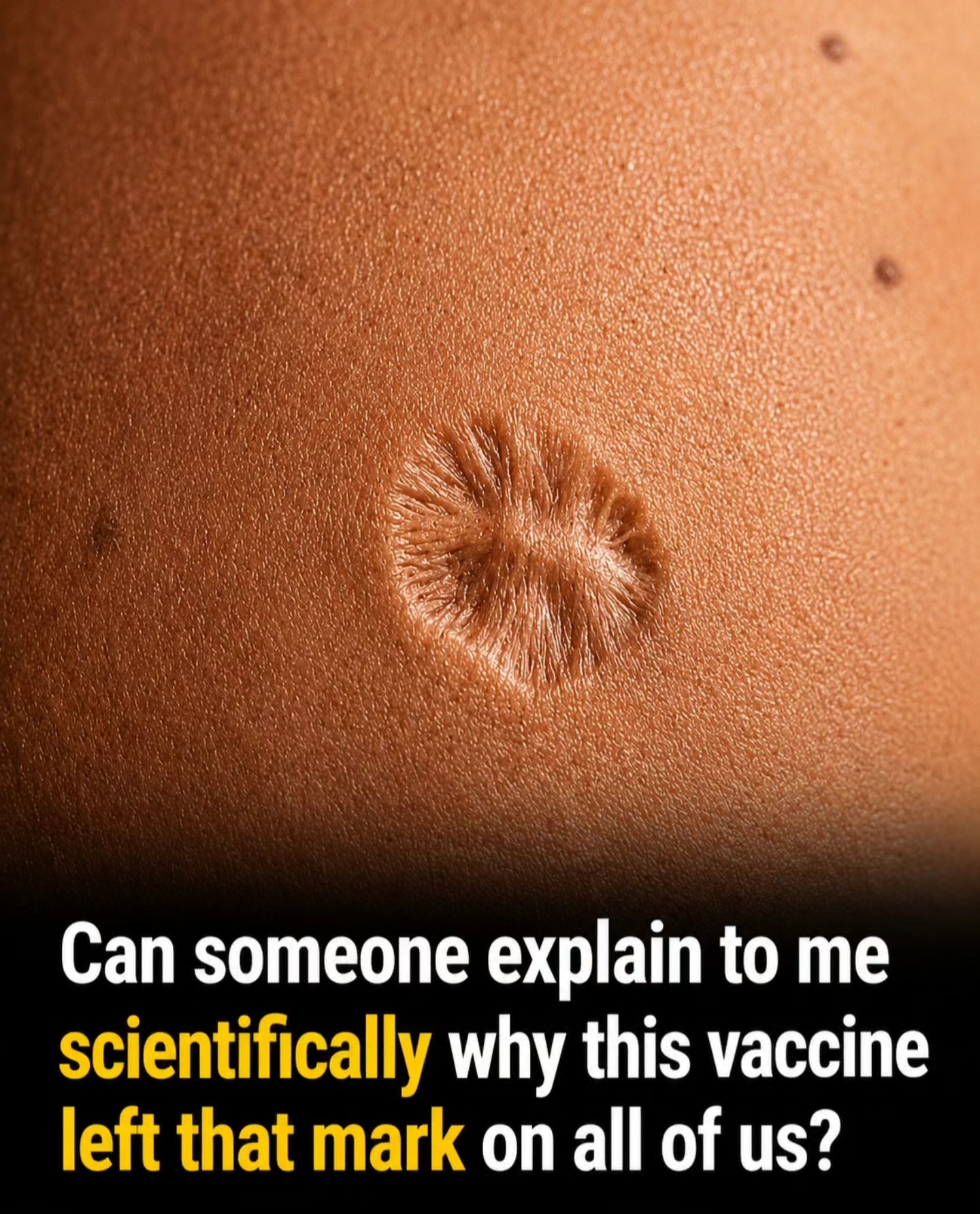
It’s highly unlikely that you were vaccinated against smallpox, partly because the risk of contracting it is so low and partly because the vaccine itself has associated risks. The US stopped vaccinating people against smallpox in 1972, a few years before the WHO declared the virus completely eradicated. That means just like native populations that were ravaged by smallpox, today’s citizens also have no immunity to the disease. However, an emergency stockpile of smallpox vaccines does exist.
Smallpox Treatments Are Still Being Created Today
Just because smallpox hasn’t shown up since 1977 doesn’t mean that researchers have stopped trying to find better, safer, and more effective ways to combat the virus. TPOXX, developed by Siga, is an intravenous drug that has proven successful in animal studies. Siga has provided two million doses of the drug to the US’s smallpox vaccine stockpile. Further, Siga is now developing an oral version of TPOXX.
Smallpox Is The Only Infectious Disease That Has Been Eradicated
Many diseases aren’t around anymore in the US or are rarely seen, but only one has been eradicated worldwide — smallpox. Why smallpox and not other infectious diseases, like yellow fever?
The biggest reason is that smallpox only affects humans, whereas many other diseases (like yellow fever) can affect animals or can be transmitted via mosquito. Additionally, smallpox physically presents itself shortly after infection. Other diseases have a longer incubation time, meaning that someone without physical symptoms can be infecting others because they don’t know they have the disease yet. Both of these reasons made it easier to eradicate smallpox with vaccines.
The World Health Organization officially embarked on a mission to eradicate smallpox in 1966, declaring the disease officially gone in 1980 (the last case of smallpox was in 1977 in Somalia). In order to combat the disease, WHO practiced what is called “ring vaccination.” Ring vaccination is when anyone who has possibly been contaminated by an infected person is identified and vaccinated, effectively “ringing in” those who could transmit the disease further. WHO workers also showed pictures of smallpox rashes to people and offered rewards for those who identified smallpox cases.
The History Of The Smallpox Vaccine Is Pretty Amazing
Up until 2017, the world thought that Edward Jenner developed the smallpox vaccine from cowpox. Now, that’s changed. Some backstory: a milkmaid once told 13-year-old Jenner that she couldn’t get smallpox because she’d already had cowpox. Years later, Jenner tested this hypothesis by injecting an eight-year-old boy with cowpox, and then later injecting him with smallpox. He injected the boy 20 different times and smallpox blisters never developed. Cowbox is close enough to smallpox that even though humans can’t get cowpox, they can build up immunity to smallpox through small doses — vaccines — of cowpox.
Prior to Jenner’s vaccine, the world had protected against smallpox with variolation — that is, injecting someone with the dried crust of smallpox scabs. Variolation was not without its side effects and dangers. The new treatment was called variolae vaccinae, translating to “smallpox of the cow.” Why does this matter? Because a 2017 study discovered that Jenner didn’t develop the vaccine from cowpox at all — it was horsepox, which can also affect cows.