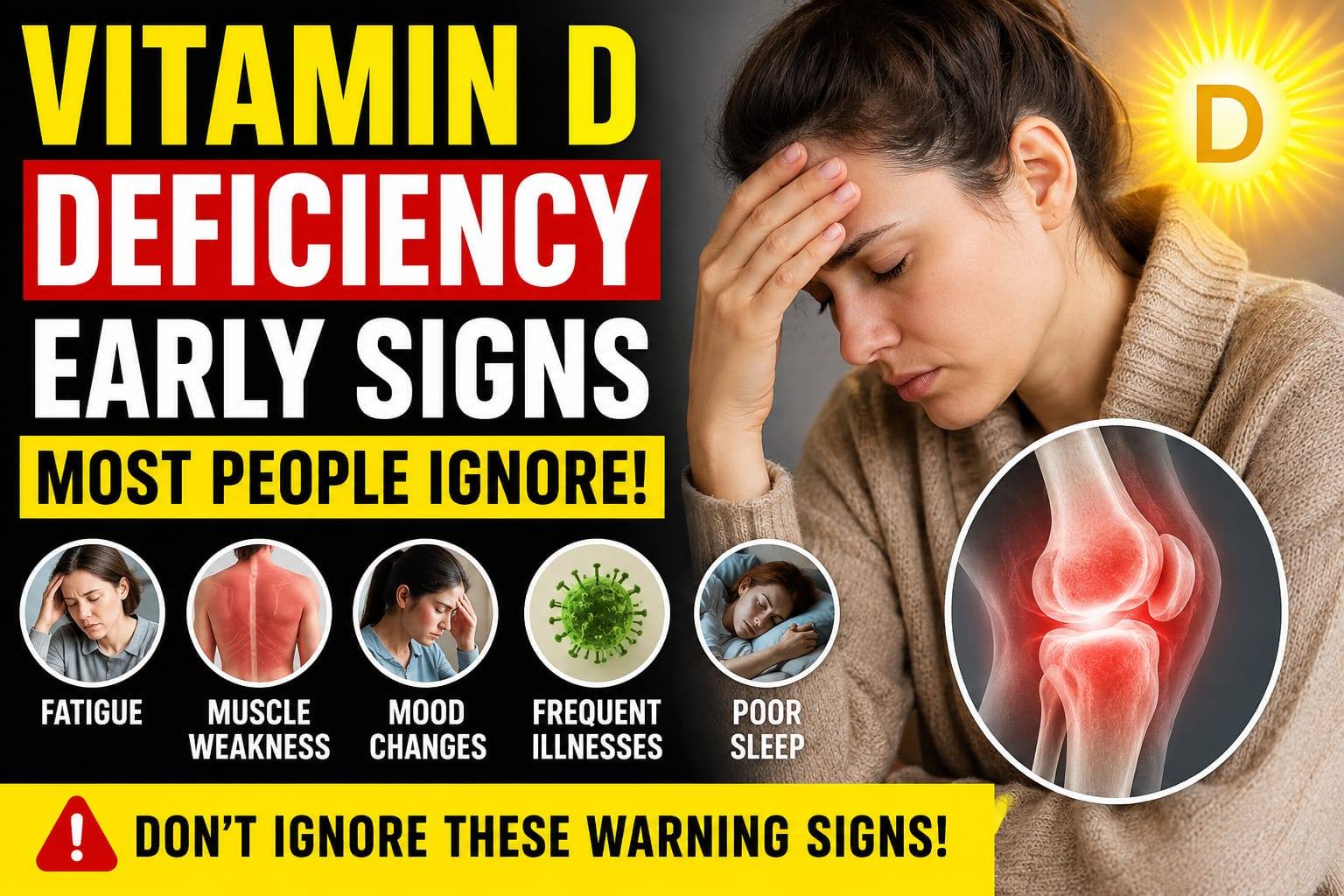
Vitamin D is often called the “sunshine vitamin” because your body produces it when your skin is exposed to sunlight. Despite its importance, vitamin D deficiency is one of the most common nutritional deficiencies worldwide. Millions of people have low vitamin D levels without even realizing it.
The problem is that the symptoms can be subtle and easy to dismiss. Many people blame stress, aging, lack of sleep, or a busy lifestyle when the real issue may be a vitamin D deficiency.
In this article, we’ll explore the early signs of vitamin D deficiency that many people ignore and explain why maintaining healthy vitamin D levels is essential for overall health.
Why Vitamin D Is Important
Vitamin D plays several critical roles in the body. It helps:
– Support healthy bones and teeth
– Improve calcium absorption
– Strengthen the immune system
– Support muscle function
– Promote brain health
– Help regulate mood
When vitamin D levels become too low, many body systems can be affected.
1. Constant Fatigue and Low Energy
One of the earliest signs of vitamin D deficiency is feeling tired all the time.
Many people assume fatigue is caused by a busy schedule or poor sleep. However, research suggests that low vitamin D levels can significantly contribute to feelings of exhaustion and low energy.
You may notice:
– Difficulty getting out of bed
– Feeling tired despite sleeping enough
– Reduced motivation
– Afternoon energy crashes
If fatigue persists for weeks or months, vitamin D deficiency could be a contributing factor.
2. Frequent Illnesses and Infections
Vitamin D plays an important role in immune function.
People with low vitamin D levels may get sick more often than usual. They may experience:
– Frequent colds
– Recurring respiratory infections
– Longer recovery times
– More severe symptoms during illness
A healthy immune system relies on adequate vitamin D levels to help fight viruses and bacteria effectively.
3. Muscle Weakness
Many people don’t realize that vitamin D is essential for muscle health.
Low vitamin D levels can lead to:
– Weak muscles
– Reduced physical performance
– Difficulty climbing stairs
– Trouble carrying heavy objects
– Feeling physically weaker than normal
In older adults, muscle weakness can increase the risk of falls and injuries.
4. Bone and Back Pain
Vitamin D helps the body absorb calcium, which is necessary for strong bones.
When vitamin D levels are low, bone discomfort may develop.
Common symptoms include:
– Lower back pain
– Joint discomfort
– Bone tenderness
– General body aches
People often treat these symptoms with pain medication without addressing the underlying deficiency.
5. Mood Changes
Another commonly ignored symptom is mood disturbance.
Some studies suggest that vitamin D may influence brain function and emotional well-being.
Low levels have been associated with:
– Feeling down
– Increased irritability
– Mood swings
– Reduced motivation
– Symptoms of depression
While vitamin D deficiency is not the only cause of mood disorders, it may contribute to emotional changes in some individuals.
6. Slow Wound Healing
If cuts, scrapes, or injuries seem to heal more slowly than usual, vitamin D deficiency may be a factor.
Vitamin D supports the body’s natural healing processes by helping regulate inflammation and supporting tissue repair.
People with low vitamin D levels may notice:
– Wounds taking longer to close
– Increased inflammation
– Delayed recovery after injuries
This symptom is especially important for individuals with diabetes or other health conditions that affect healing.
7. Hair Loss
Hair loss can occur for many reasons, including stress, genetics, hormonal changes, and nutritional deficiencies.
Some studies have found a connection between vitamin D deficiency and certain types of hair loss.
While losing a small amount of hair daily is normal, excessive shedding may warrant further investigation.
Signs include:
– Noticeable thinning
– Hair falling out during washing
– Widening hair part
– Reduced hair density
8. Increased Sweating
Excessive sweating, particularly on the forehead, has historically been linked to vitamin D deficiency.
Although sweating alone is not enough to diagnose a deficiency, it may be one clue when combined with other symptoms.
People often overlook this symptom because they assume it is related to weather, exercise, or stress.
9. Difficulty Concentrating
Many people with low vitamin D levels report problems with mental clarity.
You may experience:
– Brain fog
– Forgetfulness
– Trouble focusing
– Reduced productivity
– Difficulty completing tasks
These symptoms can affect work performance and daily life.
Because concentration problems have many potential causes, vitamin D deficiency is often overlooked.
10. Poor Sleep Quality
Sleep disturbances may also be linked to low vitamin D levels.
People with deficiency sometimes report:
– Difficulty falling asleep
– Frequent nighttime awakenings
– Poor sleep quality
– Feeling unrefreshed in the morning
While more research is needed, maintaining adequate vitamin D levels may support healthier sleep patterns.
Who Is Most at Risk?
Certain groups are more likely to develop vitamin D deficiency.
Risk factors include:
Limited Sun Exposure
People who spend most of their time indoors may not receive enough sunlight for adequate vitamin D production.
Older Adults
As people age, the skin becomes less efficient at producing vitamin D.
Darker Skin Tones
Higher levels of melanin can reduce the skin’s ability to produce vitamin D from sunlight.
Obesity
Vitamin D can become stored in body fat, reducing the amount available for use by the body.
Certain Medical Conditions
Conditions affecting nutrient absorption may increase the risk of deficiency.
Examples include:
– Crohn’s disease
– Celiac disease
– Chronic kidney disease
– Liver disease
How Is Vitamin D Deficiency Diagnosed?
The only reliable way to determine vitamin D status is through a blood test.
Healthcare providers typically measure:
25-hydroxyvitamin D (25(OH)D)
This test helps determine whether vitamin D levels are adequate, insufficient, or deficient.
If you suspect a deficiency, speaking with a healthcare professional is recommended.
How to Increase Vitamin D Levels
Get More Sunlight
Moderate sun exposure can help the body produce vitamin D naturally.
The amount needed varies depending on:
– Skin tone
– Geographic location
– Season
– Time of day
Always avoid excessive sun exposure that may increase skin damage risk.
Eat Vitamin D-Rich Foods
Good dietary sources include:
– Fatty fish such as salmon and tuna
– Egg yolks
– Fortified milk
– Fortified cereals
– Fortified orange juice
Consider Supplements
Some people may require vitamin D supplements to maintain healthy levels.
However, supplementation should ideally be guided by a healthcare professional because excessive vitamin D intake can also cause health problems.
When Should You See a Doctor?
You should consider speaking with a healthcare provider if you experience:
– Persistent fatigue
– Frequent illnesses
– Bone pain
– Muscle weakness
– Unexplained mood changes
– Hair loss
– Ongoing sleep problems
A simple blood test can often identify whether vitamin D deficiency is contributing to your symptoms.
Conclusion
Vitamin D deficiency is surprisingly common and often goes unnoticed because its symptoms can be subtle. Constant fatigue, muscle weakness, frequent illnesses, mood changes, bone pain, and poor concentration are just a few warning signs that many people ignore.
Recognizing these early symptoms can help you take action before more serious health issues develop. Maintaining healthy vitamin D levels through sunlight exposure, diet, and professional medical guidance can support stronger bones, better immunity, improved energy levels, and overall well-being.
If you have several of the symptoms discussed in this article, consider talking to a healthcare professional about testing your vitamin D levels.