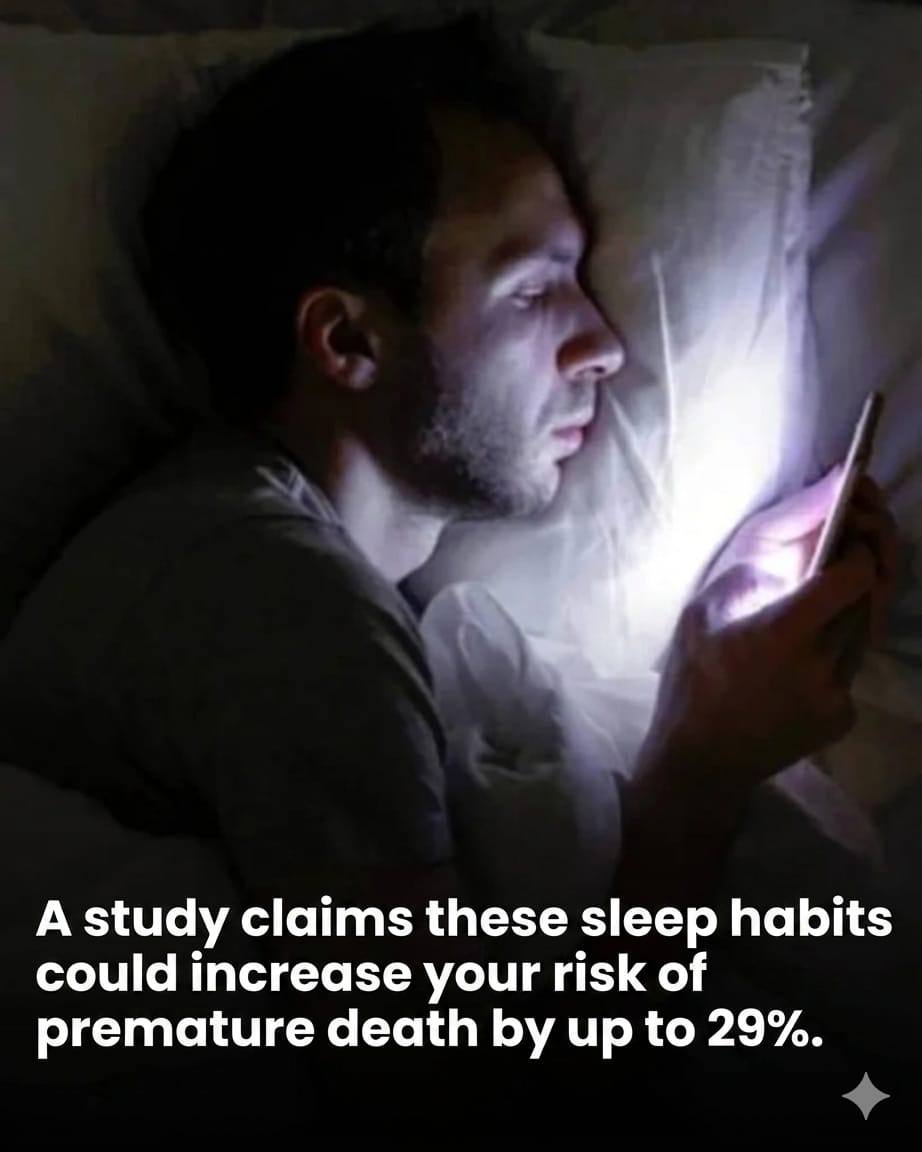
Discover how your nighttime habits could influence your life expectancy. A recent study reveals surprising links between sleep and the risk of premature death.
A good rest poorly managed: an underestimated risk
Recharging your batteries overnight is as crucial as eating or breathing. However, most of us neglect the importance and duration of sleep. While the recommendation is to sleep between 7 and 9 hours each night, how many actually follow this guideline?
According to research conducted by Vanderbilt University , less than half of adults get this ideal amount of sleep. This has a direct impact on longevity . However, the problem isn’t just a lack of sleep… Sleeping excessively long can also be detrimental!
So, what are these bad sleep habits that could compromise your well-being?
The 3 main mistakes that increase the risk of mortality
drastically change your sleep schedule
You sleep well, but you’ve changed your usual rhythm to an irregular cycle , whether by sleeping significantly less or excessively? That’s a risky mistake!
Why is this problematic?
Experts have found that abrupt changes between healthy sleep and insufficient or excessive sleep disrupt the body’s balance. These variations disrupt metabolic function , increase stress levels , and can weaken the immune system .
What to do?
Try to adopt a regular sleep schedule , even on weekends. Regular sleep patterns are more important than the exact number of hours slept.
Sleeping consistently less than 7 hours
If you are convinced that “5 or 6 hours of sleep is enough” , you are taking a significant risk .
What are the dangers?
A chronic sleep deficit increases the risk of cardiovascular disease , decreases immunity and may even accelerate brain aging .
How can this be remedied?
If you have trouble staying asleep, consider improving the quality of your rest :
Avoid screens before bedtime
Adopt a relaxing routine (reading, meditation, hot bath)
Choose a dark and cool environment for sleeping.
Sleeping excessively long (more than 9 hours)
One might think that a longer night compensates for insufficient periods of sleep… but it’s the opposite!
Why is it harmful?
Long nights are often linked to poor sleep quality (frequent awakenings, sleep apnea, persistent fatigue ). They are also associated with an increased risk of depression, diabetes, and heart disease .
How can you fix this?
If you’re sleeping excessively without feeling rested , consider consulting a sleep specialist. Excessive sleep can be a sign of an underlying disorder .
The key to beneficial sleep for longevity
Ultimately, what matters is not just the duration of your sleep, but also its regularity and quality .
Summary of best practices:
Sleep between 7 and 9 hours per night
Maintain a consistent schedule
Avoid sudden changes in your sleep cycles
Improve the quality of your sleep rather than its quantity
In conclusion
Healthy rest is essential for a long and healthy life. Take care of it as you would your diet or physical activity . Are you ready to adopt better habits to extend your life expectancy ?