Warning Signs in Your Feet That Could Signal Three Serious Diseases
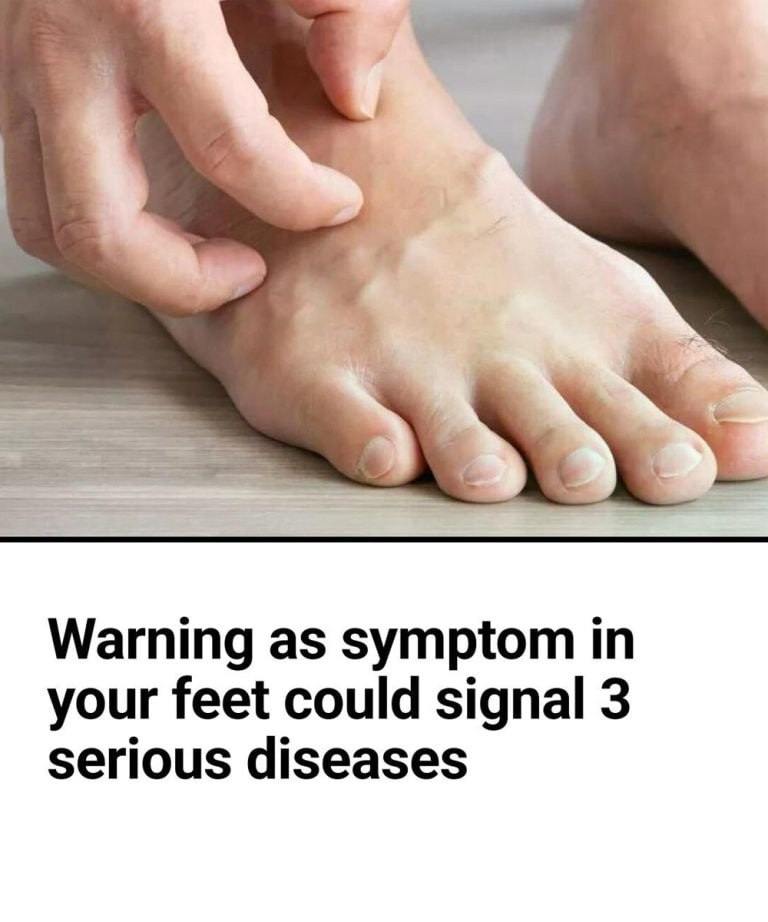
The feet are often called the “mirror” of overall health. Because they contain thousands of nerves, blood vessels, and joints, changes in the feet can sometimes reveal hidden medical conditions long before other symptoms appear. Doctors warn that unusual sensations, swelling, discoloration, or pain in the feet should never be ignored.
In some cases, these signs may point to serious diseases involving the heart, blood circulation, or nervous system.
1. Diabetes
One of the earliest warning signs of Type 2 Diabetes can appear in the feet. High blood sugar damages nerves and blood vessels over time, leading to a condition known as diabetic neuropathy.
Common Foot Symptoms of Diabetes
Tingling or burning sensations
Numbness in the toes
Loss of feeling in the feet
Sharp or stabbing pain
Slow-healing wounds
Dry or cracked skin
Because nerve damage reduces sensation, many people with diabetes may not notice injuries, cuts, or infections until they become severe.
According to medical experts, foot ulcers are among the most serious complications of diabetes and can sometimes lead to infections or amputations if untreated.
2. Heart Disease
Swollen feet and ankles may be an early sign of heart problems. When the heart cannot pump blood efficiently, fluid may build up in the legs and feet — a condition called edema.
Heart Failure is one of the conditions most commonly associated with persistent swelling.
Symptoms That May Suggest Heart Disease
Swelling in both feet or ankles
Tight or shiny skin
Shortness of breath
Fatigue
Rapid heartbeat
Difficulty walking
Poor circulation can also cause the feet to feel unusually cold or appear bluish in color.
Doctors advise seeking medical attention if swelling appears suddenly or is accompanied by chest pain or breathing difficulties.
3. Peripheral Artery Disease (PAD)
Peripheral Artery Disease occurs when narrowed arteries reduce blood flow to the limbs. It is often linked to smoking, high cholesterol, and diabetes.
Reduced circulation may cause serious problems in the feet because tissues do not receive enough oxygen.
Warning Signs of PAD
Cold feet
Leg cramps when walking
Pale or bluish skin
Weak pulse in the feet
Hair loss on the legs
Slow wound healing
Pain that improves with rest
PAD increases the risk of heart attack and stroke because it reflects widespread artery disease throughout the body.
Other Foot Symptoms You Should Never Ignore
Certain changes in the feet may indicate infection, nerve disorders, or circulation problems:
Persistent redness or warmth
Sudden severe pain
Blackened skin or toes
Open sores that do not heal
Severe numbness
Changes in nail color
Burning sensations at night
These symptoms should be evaluated by a healthcare professional, especially in older adults or people with chronic illnesses.
How to Keep Your Feet Healthy
Experts recommend:
Checking your feet daily for cuts or swelling
Wearing comfortable shoes
Controlling blood sugar and blood pressure
Staying physically active
Avoiding smoking
Keeping feet clean and moisturized
Seeking medical care for persistent pain or numbness
Final Thoughts
Your feet can provide important clues about your health. Persistent swelling, numbness, burning, discoloration, or pain may sometimes signal serious diseases such as diabetes, heart disease, or peripheral artery disease.