Many people notice that some women begin to look significantly older after the age of 50, sometimes acquiring features culturally associated with “grandmotherly” appearance. This change is not caused by a single factor, nor is it inevitable for every woman. Scientific research shows that biological aging, hormonal changes, lifestyle, environmental exposure, and social expectations all interact during this stage of life.
One of the biggest biological turning points is menopause. Around the age of 45–55, estrogen production declines sharply. Estrogen is not only a reproductive hormone; it also plays a major role in skin thickness, hydration, collagen production, fat distribution, hair quality, and muscle maintenance. Researchers have shown that after menopause, women can lose up to 30% of skin collagen within the first five years.
The result is often a sudden acceleration of visible aging rather than a slow gradual change.
The first major reason is the rapid loss of collagen and skin elasticity.
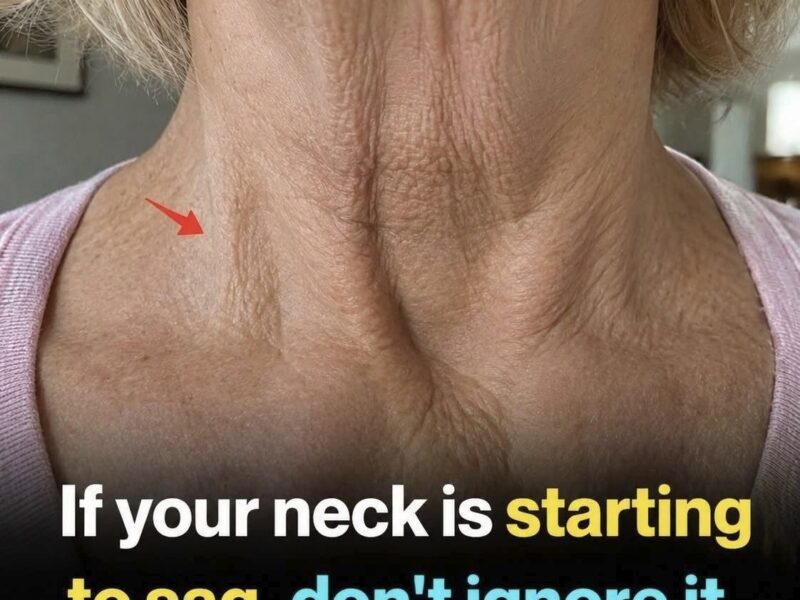
Collagen is the structural protein that keeps skin firm, smooth, and resilient. Estrogen stimulates collagen synthesis and helps slow collagen breakdown. When estrogen levels fall, the skin becomes thinner, drier, and less elastic. Wrinkles deepen more quickly, cheeks lose firmness, and facial contours begin to sag. Scientific reviews describe menopause as a “collagen cliff” because of how abruptly these changes can occur.
At the same time, elastin fibers weaken and hyaluronic acid levels decrease, reducing the skin’s ability to retain moisture. This produces the crepey texture often associated with later aging.
The second reason is the loss of muscle mass and changes in body composition.
After 50, many women experience sarcopenia, the age-related decline in skeletal muscle. Muscle gives structure not only to the body but also indirectly to the face. Reduced muscle tone can contribute to softer posture, weaker neck definition, and facial sagging. Meanwhile, metabolism slows, making fat redistribution more common. Fat may decrease in the cheeks and temples while increasing around the abdomen or lower face.
This shift changes the proportions of the face and body. The youthful “lifted” appearance becomes harder to maintain because the underlying support system weakens.
The third reason is cumulative sun exposure and environmental damage.
Skin aging is not caused only by time. Ultraviolet radiation gradually damages collagen fibers and increases oxidative stress over decades. This process, called photoaging, accumulates silently beginning in youth. By the time women reach their fifties, the effects often become much more visible because hormonal protection has declined.
Long-term smoking, pollution exposure, poor sleep, chronic stress, and diets low in antioxidants can accelerate these changes further. Scientists have found that oxidative stress increases inflammation and weakens the skin barrier, contributing to wrinkles, uneven pigmentation, and loss of firmness.
The fourth reason is bone and fat structure changes in the face.
Facial aging is not only “skin deep.” Research shows that aging affects bone, ligaments, connective tissue, and fat pads beneath the skin. With age, facial bones subtly remodel and shrink in certain regions, particularly around the eyes and jaw. Fat pads descend downward because supporting ligaments weaken.
These anatomical changes deepen folds around the nose and mouth, create hollowing beneath the eyes, and soften jawline definition. Combined with thinner skin, these structural shifts strongly influence how old a face appears.
The fifth reason is social and psychological factors.
Appearance is shaped not only by biology but also by behavior and social expectations. Many women in midlife stop prioritizing beauty standards they once followed when younger because of caregiving responsibilities, stress, health problems, financial pressure, or changing priorities. Hairstyles, clothing choices, posture, fatigue, and reduced physical activity can all influence how age is perceived.
In many societies, older women are also culturally categorized as “grandmothers” regardless of their actual health or vitality. This affects fashion industries, media representation, and self-image. Psychological stress itself can influence sleep, inflammation, cortisol levels, and even perceived facial aging over time.
Importantly, aging patterns vary enormously between individuals. Genetics, nutrition, exercise, skincare, hormonal factors, stress levels, and sun exposure all influence biological aging. Some women at 55 appear much younger than their chronological age, while others show more accelerated aging because of smoking, illness, chronic stress, or early menopause.
Modern research increasingly emphasizes that menopause is a major biological transition rather than simply a cosmetic issue. Estrogen receptors exist throughout the body, including in the skin, muscles, bones, blood vessels, and brain. The decline in estrogen therefore affects multiple systems simultaneously.
At the same time, visible aging after 50 should not automatically be interpreted as decline or loss of attractiveness. Human aging is a natural biological process, and perceptions of beauty are strongly shaped by culture, media, and social expectations. Scientific evidence shows that health, mobility, emotional wellbeing, nutrition, physical activity, and social connection are far more important indicators of successful aging than youthful appearance alone.