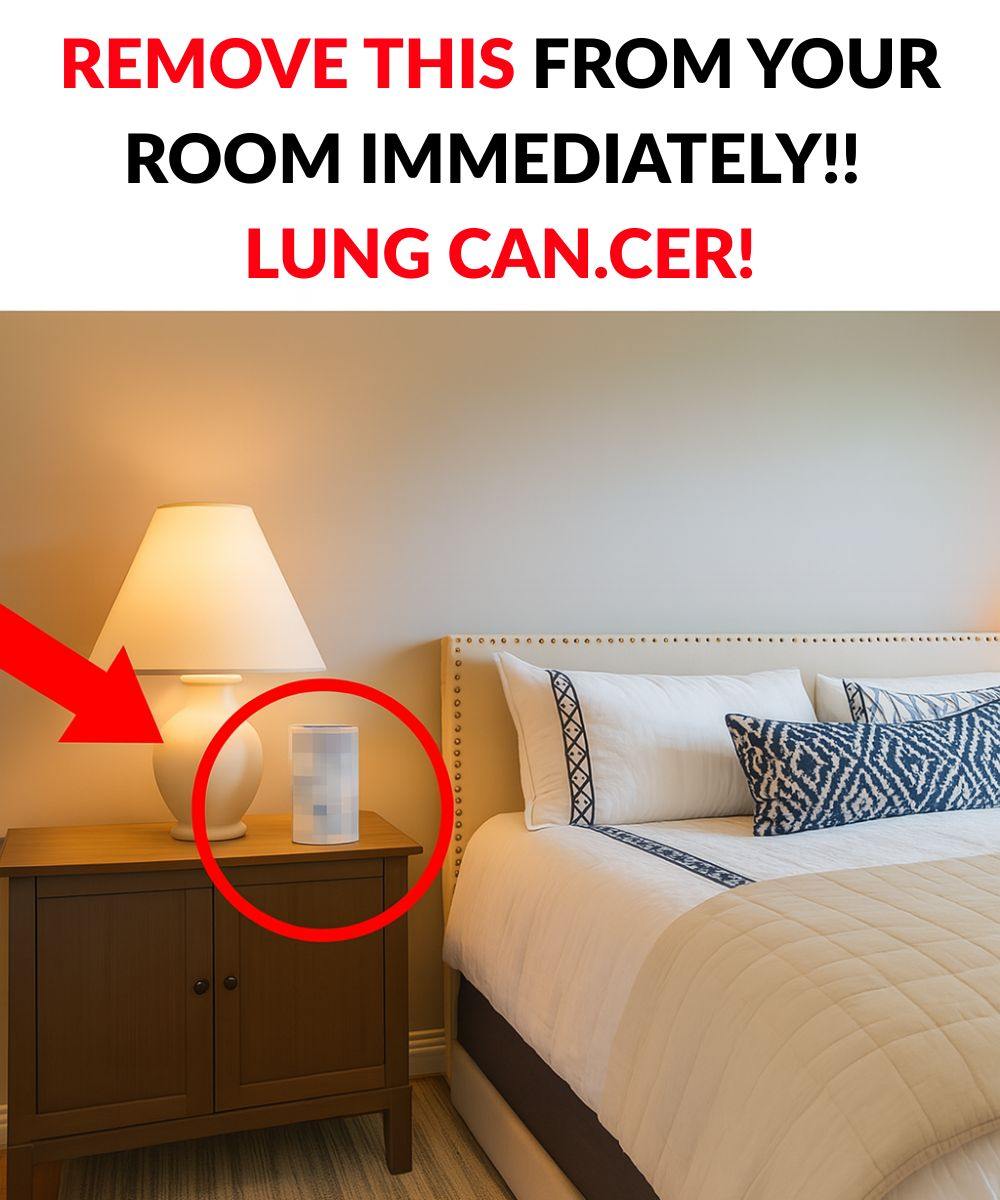
Lung Cancer: 6 Everyday Objects That Harm Your Health
Lung cancer is one of the most serious health conditions worldwide, causing millions of deaths each year. While smoking remains the leading cause, many people are unaware that certain common household and everyday objects can also contribute to lung damage and increase the risk of lung cancer. Understanding these hidden dangers is crucial for protecting your respiratory health.
In this article, we will explore six everyday objects that can harm your lungs and offer practical advice on how to minimize exposure and safeguard your health.
1. Air Fresheners and Scented Candles
Why They Are Harmful:
Many air fresheners and scented candles release volatile organic compounds (VOCs) and other chemicals like formaldehyde and benzene into the air. These substances can irritate the lungs, trigger asthma, and over time, contribute to lung tissue damage and increase cancer risk.
How to Protect Yourself:
Opt for natural alternatives like essential oil diffusers.
Keep rooms well-ventilated.
Avoid using these products daily or in enclosed spaces.
2. Household Cleaning Products
Why They Are Harmful:
Cleaning sprays, bleach, ammonia, and other chemicals commonly found in household cleaners emit fumes that can damage lung tissue and cause inflammation. Long-term inhalation of these fumes may contribute to lung cancer development.
How to Protect Yourself:
Use natural or non-toxic cleaning agents (e.g., vinegar, baking soda).
Wear gloves and masks while cleaning.
Ensure proper ventilation by opening windows or using exhaust fans.
3. Asbestos-Containing Materials
Why They Are Harmful:
Though banned in many countries, asbestos is still present in older homes in insulation, roofing, and flooring materials. When disturbed, asbestos fibers become airborne and can be inhaled, leading to lung cancer and mesothelioma.
How to Protect Yourself:
Avoid disturbing asbestos-containing materials.
Hire professionals for asbestos removal.
Regularly inspect older homes and buildings for asbestos.
4. Secondhand Smoke
Why It Is Harmful:
Even if you don’t smoke, inhaling tobacco smoke from others exposes your lungs to harmful carcinogens. Secondhand smoke increases lung cancer risk by about 20-30% in non-smokers.
How to Protect Yourself:
Avoid places where people smoke indoors.
Encourage family and friends to quit smoking.
Support smoke-free environments in public and workplaces.
5. Indoor Mold
Why It Is Harmful:
Mold releases spores that, when inhaled, can irritate the lungs and weaken respiratory defenses. Prolonged exposure, especially to toxic molds, can increase lung inflammation and susceptibility to cancerous changes.
How to Protect Yourself:
Control indoor humidity levels (keep below 50%).
Fix leaks and water damage promptly.
Clean moldy surfaces with appropriate cleaners or seek professional help.
6. Radon Gas
Why It Is Harmful:
Radon is a naturally occurring radioactive gas that can seep into homes from the soil. It is odorless and invisible but is the second leading cause of lung cancer after smoking.
How to Protect Yourself:
Test your home for radon levels using available kits.
Install radon mitigation systems if elevated levels are detected.
Seal cracks in floors and walls to prevent radon entry.
Summary: Protecting Your Lungs in Everyday Life
Lung cancer risk is influenced not only by smoking but also by exposure to harmful substances in everyday environments. Being mindful of these six objects and their risks can help you make safer choices:
Limit use of synthetic air fresheners and scented candles.
Choose non-toxic cleaning alternatives and ventilate well.
Avoid disturbing asbestos materials in old buildings.
Steer clear of secondhand smoke.
Prevent and remove indoor mold.
Test and mitigate radon gas in your home.
Final Thoughts
Taking small but consistent steps to reduce exposure to these harmful everyday objects can significantly improve your lung health and reduce your risk of lung cancer. Regular check-ups and awareness are your best defenses in maintaining a healthy respiratory system.
Would you like me to help you create a checklist for safer home practices or provide tips on lung health maintenance?