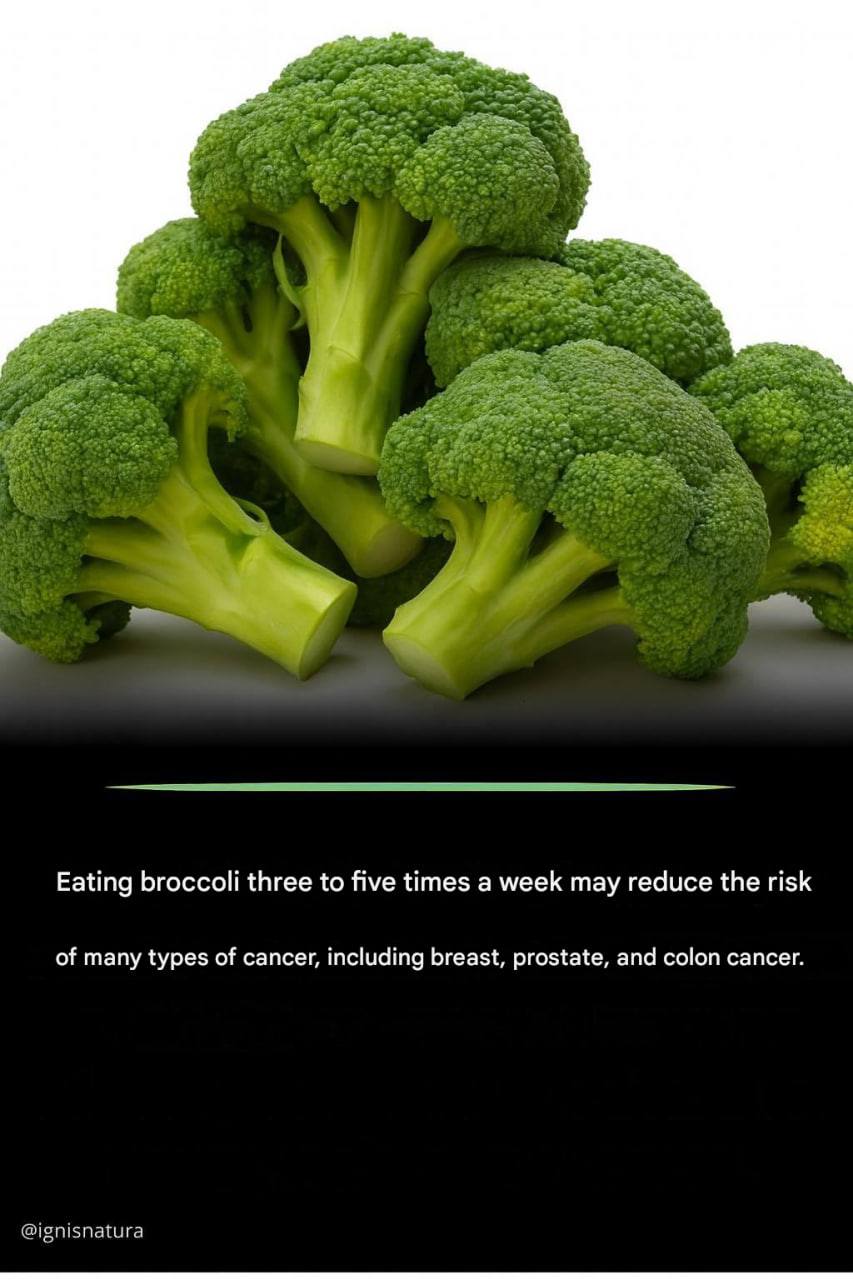
Recent research suggests that broccoli, along with other cruciferous vegetables like cauliflower and Brussels sprouts, could be a key ally in the fight against cancer. A study led by Dr. Pier Paolo Pandolfi of Beth Israel Deaconess Medical Center found that these vegetables contain a molecule called indole-3-carbinol (I3C), which can neutralize the WWP1 gene responsible for tumor growth.
How does broccoli fight cancer?
It inhibits the WWP1 gene: This gene blocks the function of PTEN, a natural tumor suppressor.
Reactivates PTEN: The I3C molecule found in broccoli helps restore PTEN’s ability to slow the development of cancer cells.
Proven efficacy: Studies on human cells and mice have shown promising results, paving the way for future antitumor treatments.
Recipes to enhance the positive effects
: 1. Cancer-fighting juice made from broccoli and green apple
Ingredients:
1 cup of raw broccoli (rich in I3C).
1 green apple (antioxidant).
1 piece of ginger (anti-inflammatory).
½ lemon (detoxifying).
Preparation:
Mix all ingredients with a little water.
Strain and drink on an empty stomach, 3 times a week.
Advantages:
Inject a concentrated dose of I3C.
It strengthens the immune system.
2. Steamed broccoli with garlic and turmeric.
Ingredients:
2 cups of fresh broccoli.
2 cloves of garlic (anti-cancer properties).
1 teaspoon of turmeric (a strong anti-inflammatory agent).
Extra virgin olive oil.
Preparation:
Steam the broccoli (5 to 7 minutes) to retain its nutrients.
Sauté garlic and turmeric in olive oil and pour over the broccoli.
Advantages:
The steam heating keeps the I3C active.
The combination with garlic and turmeric enhances the effect.
Recommended consumption
✅: Best enjoyed raw or steamed, as overcooking destroys I3C.
✅Consume 4 to 5 times a week: in salads, soups, or smoothies.
✅For better nutrient absorption, combine with healthy fats such as olive oil.
A future without cancer?
Although further human studies are needed, these results represent a promising step. Incorporating broccoli into the diet not only prevents disease but could also be an important addition to future cancer therapies.